Your Rhinoplasty Recovery Timeline From the First Week to Final Results

Prepared by:

Dr. Bouraoui Kotti

Specialist Plastic Surgeon

Most people considering rhinoplasty want to know three things: How long will I need to rest? When can I return to work? And when will I see the final result?

Most people considering rhinoplasty want to know three things: How long will I need to rest? When can I return to work? And when will I see the final result?

The rhinoplasty recovery timeline is different for every patient, but the main milestones are fairly predictable. The nasal splint is usually removed after about a week, and many patients feel ready to return to work and normal social activities within one to two weeks. Swelling continues to settle over the following months, while the final shape may take around a year to fully refine.

At Seline Clinic in Jumeirah, Dubai, recovery depends on your nasal anatomy, the surgical technique, and whether your procedure involves rhinoplasty, alarplasty, or both. Below, we explain what to expect at each stage of recovery.

When Can I...? A Quick Rhinoplasty Recovery Guide

These are typical recovery ranges. Your timeline may differ depending on your procedure, how your nose heals, and your surgeon's instructions.

  • Go home: Usually the same day, depending on the procedure and anaesthesia.
  • Shower: Usually within the first few days, while keeping the splint and dressings dry.
  • Return to work: Around 1 to 2 weeks for many patients, depending on the type of work.
  • Feel comfortable being seen socially: Often around 2 to 3 weeks, as bruising and visible swelling improve.
  • Wear glasses normally: Ask your surgeon before letting glasses rest directly on the nasal bridge, especially if the nasal bones were treated.
  • Exercise: Gentle activity can usually begin first. More strenuous exercise is added gradually once your surgeon clears you.
  • Swim: Often after a few weeks, once healing is progressing well and your surgeon agrees.
  • Return to contact sports: Usually later in recovery, once the nose has healed enough and is protected from impact.
  • See the final rhinoplasty result: Around 12 months for many patients, although refinement can continue longer in some cases.

Week One: Rest, Swelling and Nasal Congestion

The first week is usually the most restrictive stage of rhinoplasty recovery. You may have a splint over the bridge of your nose and, in some cases, internal splints or packing. Nasal congestion is also common, so your nose may feel blocked for several days and you may find yourself breathing more through your mouth.

During this stage, patients are usually advised to:

  • Sleep on your back with your head elevated to help limit swelling and avoid unnecessary pressure on the nose.
  • Use cool compresses around the cheeks and eye area, without placing pressure directly on the nose.
  • Avoid blowing your nose. If you need to sneeze, keep your mouth open to reduce pressure inside the nose.
  • Take only the pain relief and medications recommended by your surgeon. Medicines or supplements that may increase bleeding should only be used if your surgeon has approved them.

A small amount of blood-stained drainage can occur during the first few days. Bruising and swelling around the eyes are also common and may be more noticeable during the early part of the first week before gradually improving.

Splint Off: Why Your Nose May Look Bigger Than Expected

The external splint is commonly removed at around one week, depending on your procedure and your surgeon's assessment. Any external stitches may also be removed at this stage if required.

It is normal for the nose to look swollen, slightly wider or less defined than expected when the splint first comes off. The tip may also appear more elevated or rounded during the early healing period.

This is not the final result. Swelling is still present around the newly reshaped nasal structures and will continue to settle gradually over the following weeks and months. Tip definition usually takes longer to appear than changes along the bridge, so early photographs should not be used to judge the final outcome.

Weeks 2 to 6: Returning to Normal Life

By the second or third week, bruising and visible swelling are usually much less noticeable. Many patients feel comfortable returning to work and social activities, although jobs involving heavy lifting, heat, physical effort or a risk of accidental contact may require a little longer.

A few precautions are still important:

  • Glasses: Avoid putting pressure directly on the nasal bridge until your surgeon confirms it is safe, especially if the nasal bones were repositioned.
  • Exercise: Walking is usually encouraged early in recovery. Gym training, swimming and more strenuous exercise should be reintroduced gradually once your surgeon gives you clearance.
  • Protecting the nose: Continue to avoid situations where the nose could be bumped, compressed or exposed to unnecessary pressure while healing continues.

Months 2 to 12: Gradual Refinement of the Result

Over the following months, swelling continues to settle and the shape of the nose becomes more defined. The bridge often refines earlier, while swelling around the nasal tip can take longer to resolve.

Patients with thicker skin, those who have undergone open rhinoplasty, and those having revision rhinoplasty may notice that these final changes take longer. Mild day-to-day fluctuations in swelling can also occur, so the nose may occasionally look slightly puffier.

By around three months, most patients have a much clearer idea of how the nose is taking shape, although healing is still continuing. The final rhinoplasty result is usually assessed at around 12 months, with subtle refinement sometimes continuing beyond this point, particularly after revision surgery or in patients with thicker skin.

If tip swelling is still noticeable several months after surgery, this can still be part of the normal healing process. Your surgeon will monitor your progress and advise whether any additional aftercare is needed.

What Can Affect Rhinoplasty Recovery?

Recovery depends on the surgical technique, the extent of reshaping, your nasal anatomy and whether you have had previous nose surgery.

  • Closed rhinoplasty: Incisions are made inside the nostrils. In selected cases, swelling around the nasal tip may be less pronounced, although recovery still depends on the extent of surgery.
  • Open rhinoplasty: A small incision across the columella gives the surgeon direct access to the nasal structures. Swelling around the tip may take longer to settle.
  • Tip reshaping: Bruising may be more limited when the nasal bones are not treated, but swelling around the tip can still take several months to settle.
  • Nasal bone reshaping: Can cause more swelling and bruising around the eyes. Your surgeon may also advise avoiding pressure from glasses for longer.
  • Rhinoseptoplasty: When the septum is corrected at the same time, internal swelling and nasal congestion may take longer to improve.
  • Alarplasty: Focuses on reshaping the nostrils and nasal base. Swelling and tenderness are usually concentrated around this area during early healing.
  • Thick skin: Swelling, especially around the nasal tip, may take longer to settle, and the final definition may appear more gradually.

Two noses can look similar from the outside but require very different surgical approaches. Skin thickness, cartilage strength, nasal structure and breathing function are all assessed before your surgeon decides which technique is most appropriate.

Open rhinoplasty gives the surgeon greater visibility and access when more detailed reshaping is needed, while closed rhinoplasty keeps all incisions inside the nostrils and may be suitable for selected cases. Neither approach is automatically better. The right choice depends on what needs to be corrected and the result your surgeon is aiming to achieve.

Rhinoplasty Recovery in Dubai: Sun, Heat and Flights

Dubai's heat and strong sun deserve extra attention during rhinoplasty recovery. During the early healing period, your surgeon may advise limiting prolonged sun and heat exposure, as both can temporarily increase swelling and make the nose feel more congested or sensitive.

Once your surgeon confirms that the skin and incisions are ready, use appropriate sun protection when outdoors. Shade, a wide-brimmed hat and sunscreen can help protect healing skin and reduce the risk of pigmentation changes.

Very hot showers, saunas and prolonged time outdoors in high temperatures are usually best limited during the early stages of recovery.

If you are travelling to Dubai for rhinoplasty, discuss your return-flight timing with your surgeon before surgery. Depending on your procedure and recovery, you may be advised to remain in Dubai until an early postoperative review or splint removal. Your surgeon will confirm when flying is appropriate for you.

What Rhinoplasty Can and Can't Change

Rhinoplasty can reshape the nasal bridge, tip, nostrils and overall proportions of the nose. When functional concerns such as septal deviation or airway obstruction are treated at the same time, surgery may also help improve breathing.

However, rhinoplasty does not fundamentally change the natural thickness or quality of the nasal skin, and it cannot reproduce another person's nose exactly. The aim is to create a result that works with your own facial proportions, nasal anatomy and overall features.

In many cases, the most natural-looking results come from carefully planned changes that improve balance without making the nose look disconnected from the rest of the face.

When Should You Contact Your Surgeon During Rhinoplasty Recovery?

Most rhinoplasty recovery involves expected swelling, nasal congestion, bruising and temporary changes in sensation. Your surgical team will explain what is normal for your procedure and what to expect as healing progresses.

As with any surgery, rhinoplasty has potential risks. These may include bleeding, infection, changes in sensation, delayed healing, scarring, breathing difficulties and the possibility of further treatment or revision. Rare complications, such as septal perforation, can also occur. Your surgeon will discuss the risks relevant to your procedure before surgery.

Temporary numbness or stiffness around the nasal tip or upper lip can occur during healing, and your sense of smell may also feel different for a period of time. Nasal breathing can remain restricted while internal swelling gradually settles.

Smoking and nicotine can interfere with healing, while certain medications and supplements may increase the risk of bleeding. Your surgeon will review these with you before the procedure. Do not stop any prescribed medication unless advised by the doctor who prescribed it or your surgical team.

Contact your surgical team promptly if you experience:

  • bleeding that is persistent or heavier than expected
  • increasing redness, swelling, fever or unusual discharge
  • pain that is becoming worse rather than gradually improving
  • breathing difficulty that is unusual or worsening
  • an injury to the nose or a sudden unexpected change in its appearance
  • any symptom that feels significantly different from the recovery your surgeon described

Seek urgent medical attention for severe breathing difficulty, chest pain or another sudden serious symptom.

How Much Does Rhinoplasty Cost in Dubai?

Price follows the plan: first operation or revision, breathing work or not, the technique, anaesthesia, facility and follow-up. Published starting prices at Seline Clinic:

  • Rhino-tip plasty: from AED 25,000
  • Rhinoplasty: from AED 30,000
  • Rhinoseptoplasty: from AED 30,000
  • Ultrasonic rhinoplasty: from AED 35,000
  • Revision or complex rhinoplasty: from AED 45,000

Prices are indicative starting prices and can change. The final surgical plan and quotation are confirmed after medical assessment.

Having Rhinoplasty in Dubai

Healthcare facilities and professionals practising within DHA jurisdiction are subject to local licensing and regulatory requirements. Patients travelling from elsewhere in the UAE, the GCC or abroad can raise privacy at consultation, and should plan their stay around splint removal.

Why Choose Seline Clinic Dubai for Rhinoplasty?

Seline Clinic is a multidisciplinary aesthetic, plastic surgery and wellness clinic in Jumeirah, Dubai. Surgery is provided by an international team of plastic surgeons:

For patients who prefer a female surgical environment, Dr. Maria Rubatti, Specialist Plastic Surgeon, MD, offers a fully female surgical team, including a female surgeon, anaesthesia team and nurses.

Surgical procedures take place in accredited surgical facilities. Consultation and follow-up care, including splint removal, are provided at Seline Clinic on Jumeirah Street.

Frequently Asked Questions

Does rhinoplasty recovery hurt?

Many patients describe the first few days as more uncomfortable than painful. Nasal congestion, pressure, swelling and tenderness are common, and discomfort usually improves gradually. Your surgeon will recommend or prescribe pain relief based on your procedure and individual recovery needs.

How long does swelling last after rhinoplasty?

Most visible swelling improves during the first few weeks, but the nose continues to refine for several months. Swelling around the nasal tip often takes longer to settle, and the final result is commonly assessed at around 12 months. Patients with thicker skin or those having revision rhinoplasty may need longer for the final definition to appear.

How long will my nose feel numb?

Temporary numbness or stiffness around the nasal tip and upper lip can occur after rhinoplasty and may last for several weeks or months. Sensation usually returns gradually as healing continues.

When can I sleep on my side after rhinoplasty?

During the early recovery period, patients are usually advised to sleep on their back with the head elevated. This helps limit swelling and avoids accidental pressure on the healing nose. Side sleeping is generally reintroduced later in recovery once your surgeon confirms that it is safe for your nose.

When can I wear glasses after rhinoplasty?

If the nasal bones have been treated, pressure from glasses or sunglasses on the bridge may need to be avoided during the early healing period. This helps protect the newly positioned nasal structures while they heal. Your surgeon will advise when you can return to wearing glasses normally based on the procedure performed.

Can I wear make-up after rhinoplasty?

Make-up can usually be applied around the eyes once the skin is comfortable and your surgeon confirms it is appropriate. Avoid applying make-up directly over healing incisions, dressings or the splint area until these have healed sufficiently.

Will my breathing be better after rhinoplasty?

If rhinoplasty is combined with treatment of a deviated septum or another structural airway problem, breathing may improve once internal swelling has settled. A rhinoplasty performed for cosmetic reasons alone is not intended to improve breathing.

Is rhinoplasty recovery different for men?

The main stages of recovery are similar. Individual differences in skin thickness, nasal anatomy and the extent of surgery can affect how quickly swelling settles and how soon definition becomes visible, particularly around the nasal tip.

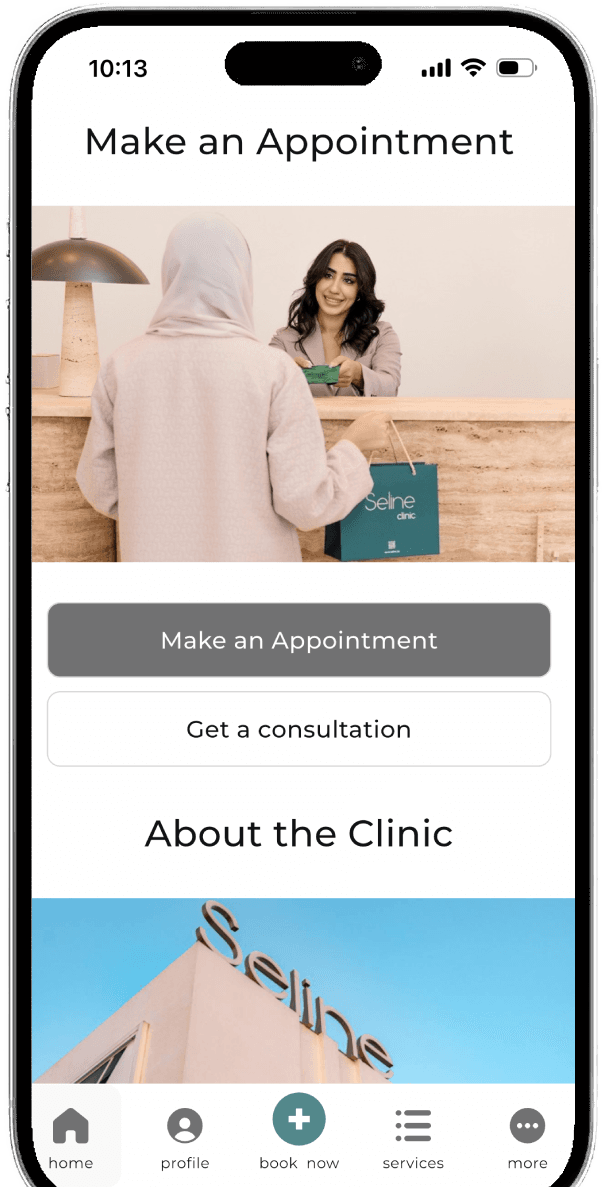
Download the app

Download
Seline Clinic mobile app on a smartphone