Is a Mommy Makeover Right for You? A Clinical Guide to Post-Pregnancy Restoration in Dubai

Prepared by:

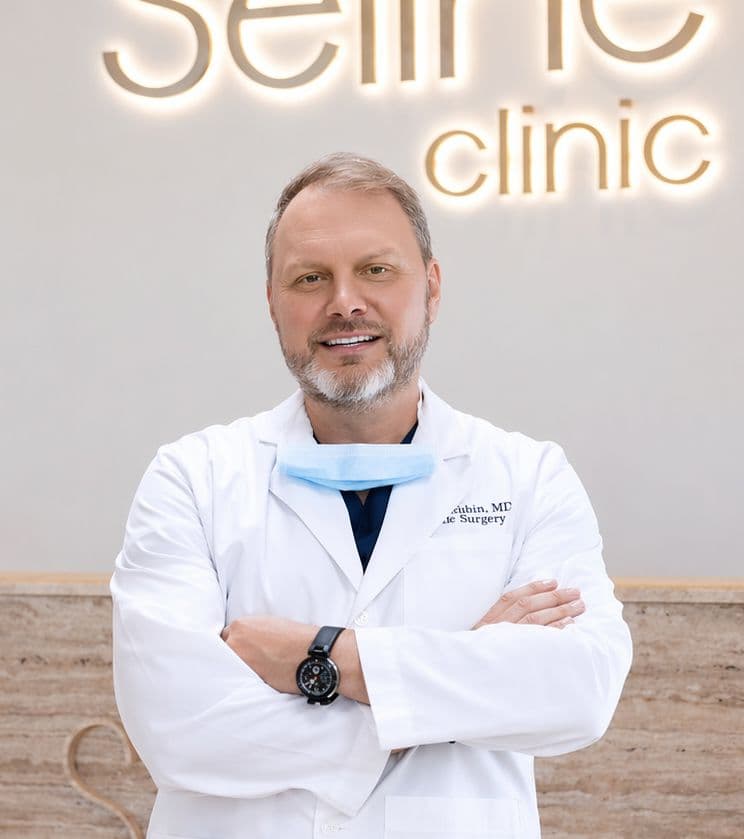
Dr. Bouraoui Kotti

Specialist Plastic Surgeon

Pregnancy reshapes a woman's body in ways that go far deeper than the visible. The skin stretches. The muscles shift. The breasts change in both volume and position. For many women, these changes settle gradually in the months that follow delivery. For others, they do not. What remains is a body that functions well, but no longer looks or feels quite like the one she remembers. A mommy makeover after pregnancy has become one of the most considered surgical pathways for women at this stage of life. It is not a single operation with a fixed definition. It is a personalised, medically designed programme — a combination of procedures selected according to each patient's specific anatomy and goals. Understanding what that programme involves, and whether it is the right step for you, begins with clarity. This guide is written to provide it.

What Happens to Your Body After Pregnancy

The abdomen


During pregnancy, the skin, fat, and underlying muscle of the abdomen stretch considerably to accommodate the growing baby. After delivery, these structures do not always retract to their original state. The result is not simply loose skin. It is a combination of excess tissue, reduced muscle tone, and an altered abdominal contour that diet and exercise alone may not fully restore.

The American Society of Plastic Surgeons identifies the abdomen as one of the two areas most consistently affected by pregnancy — alongside the breasts — and notes that surgical intervention is often required when natural recovery has reached its limit.


The breasts


Breastfeeding causes significant changes to breast tissue. The glands enlarge during lactation and contract once weaning is complete. For many women, this cycle leaves the breasts softer, lower, or flatter than they were before pregnancy. The skin has been stretched, and the internal support structures may not return to their previous position.

These are not signs that something has gone wrong. They are a predictable outcome of the body fulfilling its role.


Diastasis recti — a separation worth understanding


One of the most significant and frequently underdiagnosed post-pregnancy changes is diastasis recti — a separation of the rectus abdominis muscles along the midline of the abdomen. Research indicates that up to 60% of women who have given birth experience some degree of this condition.

Diastasis recti is not purely a cosmetic concern. Beyond the visible midline bulge, the separation can contribute to chronic lower back pain, weakened core stability, and urinary discomfort. When the condition persists beyond the initial postpartum recovery and physiotherapy has not fully resolved it, surgical repair becomes a medically justified consideration — and is routinely performed as part of an abdominoplasty.


What Does a Mommy Makeover Include?

One surgery or several?


A mommy makeover is not a single, standardised operation. It is a curated combination of surgical procedures, selected and sequenced according to each patient's individual anatomy, goals, and medical assessment. Two women may both undergo a mommy makeover and have experienced quite different surgical programmes.

The term describes a philosophy as much as a procedure: a coordinated, comprehensive approach to post-pregnancy restoration, in which each surgical component is chosen because it is clinically appropriate — not simply because it is commonly included.


The procedures most frequently performed


The core components of a mommy makeover are well documented in the surgical literature. According to the 2024 ASPS Procedural Statistics Report, abdominoplasty ranked among the top cosmetic surgical procedures globally, with over 171,000 procedures performed in a single year. Breast lifts accounted for more than 153,000 surgeries. Both have featured consistently in the top five for four consecutive years — in large part because of their central role in mommy makeover programmes.

Abdominoplasty. Removes excess abdominal skin, repairs the underlying muscle wall, and repositions the belly button for a natural, refined contour. Where diastasis recti is present, muscle plication — the surgical repair of the separation — is performed within the same procedure.

Breast lift (mastopexy). Repositions the breast tissue to a firmer, higher position. Removes excess skin and reshapes the areola where indicated. Restores the natural proportion and lift that pregnancy and breastfeeding may have altered.

Breast augmentation. Where volume loss is a primary concern, implants or fat transfer may be used — alongside or instead of a lift, depending on your anatomy and goals. The decision is made collaboratively, following thorough medical assessment.

Liposuction. Targets localised fat deposits — most commonly around the abdomen, flanks, or thighs — that have proven resistant to diet and sustained exercise. It is frequently performed alongside abdominoplasty to achieve a harmonious overall result.

Nothing is prescribed for the sake of comprehensiveness. Each procedure is included because it is individually appropriate.



When Is the Right Time?

How long after giving birth should you wait?


Timing is among the most important decisions in the mommy makeover process — and one of the most frequently misunderstood. The body requires a significant period of recovery after childbirth before it is surgically ready.

Most specialists recommend waiting a minimum of six to twelve months after delivery before considering body contouring surgery. This timeframe allows the uterus to return to its pre-pregnancy size, hormonal levels to stabilise, and natural postpartum weight changes to settle. Proceeding earlier than this risks suboptimal results and increases surgical complexity.


Why completing your family is a clinical consideration


A mommy makeover delivers its most lasting results when performed after your family is complete. A subsequent pregnancy will stretch the abdomen and alter the breasts again — potentially reversing the surgical outcome. Specialists advise that the procedure be deferred until you are confident that no further pregnancies are planned.

This is a considered medical recommendation. Its purpose is to protect the longevity of your results.


Breastfeeding and surgical timing


If you are currently breastfeeding, your breasts will continue to fluctuate in size and composition for as long as you nurse. Breast surgery during this period would not produce stable results. The general guidance is to wait at least three months after weaning has been fully completed, allowing hormonal levels to settle and breast tissue to reach a resting state.


Emotional readiness


The decision to undergo a mommy makeover is deeply personal — and it is not only a physical one. Research in the field underlines that emotional clarity plays a meaningful role in both surgical readiness and long-term satisfaction with results.

If you are still in the early adjustments of new motherhood — navigating sleep disruption, shifting identity, and the demands that come with it — it may be worth allowing yourself additional time before proceeding. A consultation is not a commitment. It is a conversation.


What the Surgery Involves

Before the operating theatre


A mommy makeover at an internationally accredited facility begins well before the surgery itself. The first step is a comprehensive medical consultation. Your physician will review your health history in detail, assess your anatomy, and discuss your goals with care and honesty.

Advanced assessment tools allow your medical team to map the specific changes your body has undergone and design a surgical programme that addresses each one with precision. Every decision is medically justified. Nothing is assumed.


The procedure


A mommy makeover is typically performed as a single-stage operation under general anaesthesia, combining two or more procedures into one coordinated surgical session. This approach reduces the total number of recovery periods and allows your surgeon to achieve balanced results across all treated areas at once.

The surgery is carried out to international safety standards. Incision placement is planned with care — most commonly along the bikini line or in areas naturally concealed by clothing — to minimise visible scarring.


Recovery


Recovery from a mommy makeover varies depending on the specific combination of procedures performed and your individual healing response. As a general framework, most patients are able to resume light daily activities within two to three weeks. Strenuous exercise and heavy lifting are typically avoided for four to six weeks, in line with your surgeon's postoperative instructions.

Compression garments are worn during the early recovery period to support healing and help the body settle into its new contours. Follow-up appointments are scheduled to monitor your progress and adjust the recovery plan as needed.

The final result continues to refine over several months as swelling resolves and the tissues settle. Most patients observe the full outcome between three and six months post-surgery.


Choosing the Right Clinic in Dubai

Why Dubai has become a leading destination


Dubai occupies a significant position in the global aesthetic surgery landscape. The ISAPS 2024 Global Survey identifies the UAE among the countries with the highest proportion of international aesthetic patients — a reflection of the city's medical infrastructure, the calibre of its practitioners, and the regulatory standards that govern their work.


What to look for


When selecting a clinic for a mommy makeover, the most important considerations extend beyond reputation. They include the qualifications and experience of your surgeon, the depth of the pre-operative assessment, and the clinical environment in which the surgery is performed.

Look for a clinic that emphasises individualised medical consultation, evidence-based protocols, and transparency about what recovery will involve. Satisfaction with mommy makeover outcomes is consistently high when patients are well informed, well supported, and treated as individuals.


DHA standards


In Dubai, cosmetic surgery is regulated by the Dubai Health Authority. Any practitioner performing surgical procedures must hold a valid DHA licence and operate within an accredited facility. These standards exist to protect patients — and they should be a baseline expectation at any clinic you consider.


The decision is yours

A mommy makeover after pregnancy is not a single choice. It is a series of considered, medically informed decisions — about timing, about procedure, about what matters most to you and your body. There is no universal answer. There is only the right answer for you, arrived at through an honest conversation with a physician who understands both the science and the significance of what you are navigating.

If you are ready to begin that conversation, Seline Clinic Dubai is here. Book a personalised consultation with our medical team. No obligation. Simply clarity — delivered with the precision your decision deserves.

Results vary individually. All treatment plans at Seline Clinic Dubai are personalised following a comprehensive medical consultation.