How Long Does Botox Last, and When to Book Your Next Session

Prepared by:

Dr. Rosh Roddha

Aesthetic and Longevity Physician

For many people, results in common facial areas such as the forehead, frown lines and crow's feet remain noticeable for around three to four months. After that, movement gradually starts to return.

For many people, results in common facial areas such as the forehead, frown lines and crow's feet remain noticeable for around three to four months. After that, movement gradually starts to return.

You may first notice that you can raise your eyebrows more freely, frown more strongly or see expression lines coming back when your face moves. The change is usually gradual rather than sudden.

Some people reach that point earlier. Others keep the effect for longer.

How long Botox lasts depends on several things, including the area treated, muscle strength, dose, previous treatment history and individual response.

At Seline Clinic in Jumeirah, Dubai, your doctor looks at these factors before recommending when to review or repeat treatment.

How Long Does Botox Last?

For common facial anti-wrinkle treatments, around three to four months is a useful general guide.

That does not mean the treatment suddenly stops working at the end of month four.

The effect usually softens little by little as muscle activity returns.

You may still be happy with how the area looks even after some movement has come back. This is why the right time for another session is not exactly the same for everyone.

Your own previous treatments are often the best guide.

Once you know roughly when movement starts returning for you, future appointments become easier to plan.


How Long Does Botox Last by Treatment Area?

The area treated can make a noticeable difference.

  • Forehead: Horizontal forehead lines — Around 3 to 4 months
  • Frown lines: Lines between the eyebrows — Around 3 to 4 months
  • Crow’s feet: Lines at the outer corners of the eyes — Around 3 to 4 months
  • Lip flip: Subtle upper-lip eversion — Often shorter than upper-face treatment
  • Masseter / jaw: Jaw clenching or lower-face muscle bulk — May last longer than some facial areas
  • Underarms: Excessive sweating / hyperhidrosis — Often lasts longer than facial anti-wrinkle treatment

These are general ranges rather than guaranteed treatment times.


The exact duration depends on the area, the dose used, muscle activity and your own response.
Your doctor can give you a more realistic estimate during consultation.

When Does Botox Start Working?

During the First Few Days

Small injection bumps or mild redness can appear immediately after treatment and usually settle quickly.

You may begin to notice softer movement within the first few days.

It is still early at this stage.

Around Two Weeks

By around two weeks, the effect is usually much clearer.

This is a common point for review, particularly after your first treatment or if you want your doctor to check how the different areas have settled.

Around Two to Three Months

Movement may begin to return.

You might notice this first when you frown, smile or raise your eyebrows.

That does not mean the treatment has suddenly stopped working. The result is simply becoming less restrictive.

Around Three to Four Months

For many patients, enough movement has returned that they start thinking about another appointment.

Some will want to treat again around this point. Others are happy to wait longer.


Why Does Botox Wear Off Faster for Some People?

Muscle Strength

Strong facial muscles can regain movement sooner.

Someone who naturally frowns strongly or has very active forehead muscles may notice the effect fading earlier than someone with less active muscles.

Dose

Dose matters, but it is not as simple as using more product to make the treatment last longer.

Your doctor considers the strength of the muscle, the treatment area and how much movement you want to keep.

The aim is an appropriate result for your face, not the highest possible dose.

Treatment Area

Different muscles behave differently.

A small area around the mouth does not necessarily behave like the forehead or masseter.

This is one reason it is difficult to give one exact duration for every Botox treatment.

Your Treatment History

Some patients feel that later sessions behave differently from their first treatment.

What matters most is your own pattern.

If a previous treatment lasted a certain amount of time, that information helps your doctor plan the next one.

Individual Response

People simply respond differently.

If a treatment that previously worked well seems to be fading much sooner than usual, mention it at your review.

Your doctor can look at the area treated, dose, timing and previous treatment history rather than guessing from one session.


Does Botox Last Longer After Repeated Sessions?

Sometimes.

Some patients notice that results seem to hold a little longer after several regular treatments. Others notice roughly the same duration each time.

There is no guarantee.

This is not a reason to treat more often than your doctor recommends.

Your own history matters more than a general rule.

How Long Does a Botox Lip Flip Last?

A lip flip often lasts for a shorter period than Botox in areas such as the forehead or frown lines.

The treatment uses small amounts of product around the upper lip to reduce the pull of the muscle and allow the lip to roll slightly outward.

Because the muscles around the mouth are highly active, the effect may fade sooner.

If you are considering this treatment, your doctor can explain what duration is realistic for you.

How Long Does Masseter Botox Last?

Masseter Botox may last longer than treatment in some smaller facial muscles.

It is commonly used when the goal is to reduce strong jaw muscle activity, jaw clenching or the appearance of a broader lower face.

The effect develops over time and may continue changing for several weeks after treatment.

How long it lasts depends on the strength of the masseter muscles, the dose and whether you have had the treatment before.

Your doctor can advise when another session may be appropriate based on how the muscle responds.

How Long Does Botox Last for Hyperhidrosis?

Botox can also be used to reduce excessive sweating, known as hyperhidrosis.

For underarm sweating, the effect often lasts longer than facial anti-wrinkle treatment.

The treatment works by temporarily reducing the nerve signals that activate the sweat glands in the treated area.

Patients usually notice a gradual reduction in sweating rather than an immediate change.

When sweating begins to return, another session may be considered.

The timing should be based on your own response rather than a fixed calendar.

At Seline Clinic in Dubai, your doctor can assess whether Botox is appropriate for hyperhidrosis and explain what to expect from treatment, follow-up and duration.

When Should You Book Your Next Botox Session?

You do not need to book another session simply because three months have passed.

The return of movement is usually a more useful guide.

For many facial treatments, this happens around the three-to-four-month point.

Once you have had treatment a few times, you may start to recognise your own pattern.

There is also no benefit in automatically treating more often than necessary.

Your doctor can recommend an interval based on how the previous treatment settled and how much movement has returned.

If you are planning around a wedding, trip, photoshoot or important event, leave enough time for the treatment to develop fully and for any small injection marks or bruising to settle.

Do not leave it until the day before.


Should You Have a Two-Week Review?

A review around two weeks can be useful, especially after a first treatment.

By then, your doctor can see much more clearly how the muscles have responded.

The appointment may involve checking:

  • movement in the treated areas
  • overall balance
  • whether the planned effect has developed
  • any questions you have about the result
  • how to plan future treatments

A review does not automatically mean more injections are needed.

Sometimes the most useful outcome is simply confirmation that everything is settling as expected.


Botox Aftercare: What Should You Do After Treatment?

Botox usually requires very little downtime.

Most people leave the clinic and continue with a fairly normal day.

The first few hours are mainly about being gentle with the treated areas.

Avoid Rubbing or Pressing the Area

Do not massage, press firmly or repeatedly rub over the injection points.

Normal facial expression is fine.

There is no need to keep your face completely still.

Stay Upright for the First Few Hours

Your doctor may recommend remaining upright for the first few hours after treatment.

You can walk, work, talk and continue normal light activity.

Washing Your Face and Applying Skincare

Gentle cleansing is generally fine.

If you apply skincare or make-up on the same day, do it lightly rather than rubbing or pressing over the treated areas.

Avoid aggressive facial massage or beauty devices immediately after treatment.

Exercise

There is no need for prolonged downtime.

As a cautious approach, leave strenuous exercise until the following day unless your Seline doctor gives you different instructions.

Normal gentle activity is usually fine.

Facials and Massage

A facial treatment involving firm rubbing or massage over the injected areas is best left for at least 24 hours.

If you are planning an energy-based treatment, stronger facial procedure or anything involving significant pressure, ask your doctor about the appropriate timing.

Sauna, Steam and Heat

You do not need to be afraid of normal Dubai weather after treatment.

If the treated areas are still red or slightly swollen, however, it makes sense to avoid very hot environments such as saunas or steam rooms until the skin has settled.

Small Bumps or Bruising

Tiny bumps, redness, tenderness or a little bruising can happen around injection points.

They generally settle.

If your doctor recommends a cool compress, use it gently rather than pressing firmly against the skin.

Medication

Do not stop prescribed medication, including aspirin or anticoagulants, simply because you are having Botox.

Any medication change should be discussed with the doctor who prescribed it.

Your Seline doctor's aftercare instructions should always take priority because they are based on the exact treatment you received.


Can You Make Botox Last Longer?

There is no trick that can stop Botox from eventually wearing off.

The nerve-muscle interaction gradually recovers. That is expected.

What you can do is avoid unnecessary treatment, follow your doctor's advice and take care of the skin itself.

Keep Treatment Intervals Sensible

More frequent treatment does not automatically create a better or longer-lasting result.

Your treatment schedule should reflect how you respond, not somebody else's calendar.

Protect Your Skin From Dubai Sun

Botox reduces muscle movement. It does not protect the skin from UV exposure.

Daily sun protection still matters, especially in Dubai.

Sun damage can make lines, pigmentation and skin texture more noticeable regardless of how well the muscle treatment is working.

Treat Skin Quality as a Separate Issue

Botox is not a solution for every sign of ageing.

It does not restore lost volume, tighten loose skin or directly improve every concern with texture or pigmentation.

If those concerns are part of what bothers you, your doctor may discuss other options separately rather than trying to solve everything with more Botox.


Longer Lasting Does Not Automatically Mean Better

A result should still suit your face.

Some patients want very little movement. Others prefer their forehead or brows to remain expressive.

That conversation matters.

The goal is not to freeze as much movement as possible simply to chase longevity.

It is to choose a treatment plan that fits your facial movement and the result you want.


Botox in Dubai: Planning Around Work, Travel and Events

If you are having Botox in Dubai, timing can matter.

Business meetings, travel, weddings and other events often influence when patients want treatment.

At Seline Clinic in Jumeirah, Dubai, your doctor can assess how your facial muscles move and discuss how much movement you would like to retain.

That consultation may cover:

  • which areas are suitable for treatment
  • when the effect is likely to become noticeable
  • whether a two-week review is useful
  • how long previous treatments lasted
  • when another session may make sense
  • how to plan treatment around an upcoming event

If you have been treated before, bring that history into the discussion.

Knowing roughly when your previous treatment started fading is useful.

What Should You Know About Side Effects?

Botox is a prescription treatment and should be administered by a licensed doctor after an appropriate assessment.

Most effects around the injection sites are minor and temporary.

You may notice:

  • small injection bumps
  • mild redness
  • a little bruising
  • temporary tenderness
  • an occasional mild headache

Your doctor should know about your medical history, medications and any previous injectable treatments, including treatment performed at another clinic.

Tell your doctor about any neurological or muscle condition, active skin problem or infection in the treatment area, and all medicines you take.

Botox treatment is generally avoided during pregnancy and breastfeeding.


When Should You Contact Seline Clinic?

Most patients only experience mild, short-lived effects after treatment.

Small injection bumps, redness, tenderness or a little bruising usually settle on their own.

If something feels different from what your doctor explained, or you are simply unsure about how an area is settling, contact Seline Clinic.

It is worth checking in if:

  • swelling or redness seems to be increasing rather than settling
  • bruising is more noticeable than you expected
  • one treated area feels different from the others
  • you are unsure about how the result is developing
  • you have a question about your aftercare

Most of the time, the next step is simply advice, reassurance or a review.

If your doctor feels anything needs closer assessment, the team will guide you.


Frequently Asked Questions

How long does Botox last on the forehead?

For many people, forehead Botox remains noticeable for around three to four months.

Movement usually comes back gradually rather than all at once.

How long does Botox last around the eyes?

Treatment for crow's feet commonly lasts around three to four months, although the exact duration varies from person to person.

How long does Botox last for hyperhidrosis?

Botox for excessive sweating often lasts longer than facial anti-wrinkle treatment.

The exact duration varies depending on the area treated and your individual response.

Your doctor can advise when another session may be appropriate once sweating starts returning.

How long does masseter Botox last?

Masseter Botox may last longer than treatment in smaller facial muscles.

The duration depends on the strength of the jaw muscles, dose and previous treatment history.

How long does a Botox lip flip last?

A lip flip often lasts for a shorter period than treatment in the forehead or frown lines because the muscles around the mouth are highly active.

Your doctor can give you a more realistic estimate after assessing your lip movement and treatment plan.

Why did my Botox wear off after only two months?

There is not always one reason.

Muscle strength, dose, treatment area and individual response can all influence duration.

If your treatment seems to be fading much earlier than expected, discuss it with your doctor rather than simply booking more frequent injections.

Does Botox last longer the more often you have it?

Some patients feel their results last a little longer after repeated sessions. Others notice roughly the same duration each time.

There is no guarantee.

Your own history is a better guide than a general rule.

What happens if I stop having Botox?

Nothing suddenly happens.

Muscle movement gradually returns and expression lines become more noticeable again.

You can simply choose not to continue treatment.

Can I have a top-up before my Botox wears off?

A review is different from repeating the whole treatment.

If one area needs checking once the result has developed, your doctor can assess it and decide whether anything else is appropriate.

There is no reason to automatically add more product.

Is two weeks the right time to judge Botox results?

Around two weeks is a useful review point because the effect is usually much clearer by then.

Individual responses still vary.

Is Botox the same as dermal fillers?

No.

Botox reduces movement in selected muscles that create expression lines.

Dermal fillers add or restore volume and structure.

They solve different problems and have different treatment timelines.

How often should you have Botox?

There is no schedule that suits everyone.

For many facial treatments, patients begin noticing movement again at around three to four months.

Your doctor can help you decide when another session makes sense based on your own response.

Plan Your Anti-Wrinkle Treatment at Seline Clinic Dubai

If you are considering Botox for the first time, or your previous treatment is lasting differently than expected, start with an assessment rather than choosing a dose or schedule yourself.

At Seline Clinic in Jumeirah, Dubai, your aesthetic doctor can assess how your facial muscles move, discuss the result you want and recommend an appropriate treatment plan.

The same applies if your concern is jaw muscle activity, a lip flip or excessive sweating.

Over time, your own response becomes the most useful guide.

Once you know roughly when the effect begins returning, planning future sessions becomes much easier.

Learn more about anti-wrinkle treatments in Dubai, or contact Seline Clinic to arrange a consultation.

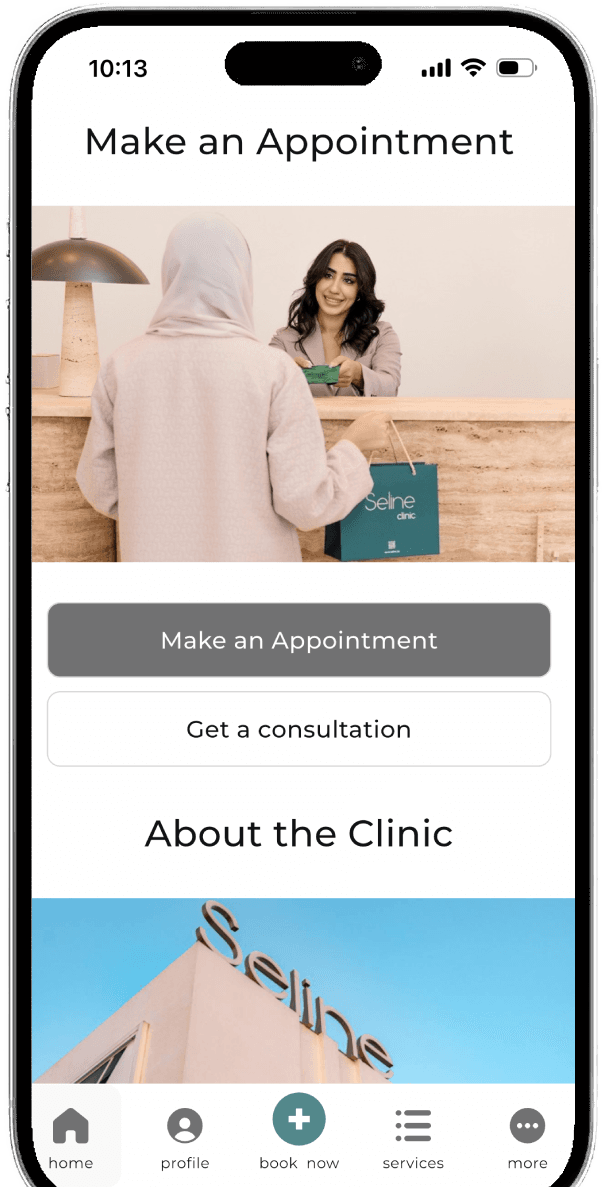
Download the app

Download
Seline Clinic mobile app on a smartphone
How Long Does Botox Last? When to Book Your Next Session | Seline Clinic