Shockwave Therapy in Dubai. What ESWT means in routine practice
Shockwave therapy is also called extracorporeal shockwave therapy, or ESWT. It uses short pulses of shock waves, meaning mechanical acoustic energy, to stimulate repair signaling in stressed structures. People sometimes mix it up with shock wave therapy for kidney stones. The idea of waves is shared, but the goal here is musculoskeletal recovery and function, not stone fragmentation. We use it when conservative care stalls.
What wave therapy is. Simple, clinical explanation
From what we often see clinically, shockwave care works best when the target is clear.
- Acoustic waves pass through skin without needles
- Application of acoustic waves creates controlled micro-stress
- Healing by stimulating local repair signaling is the aim
- Increased blood flow and blood supply may follow
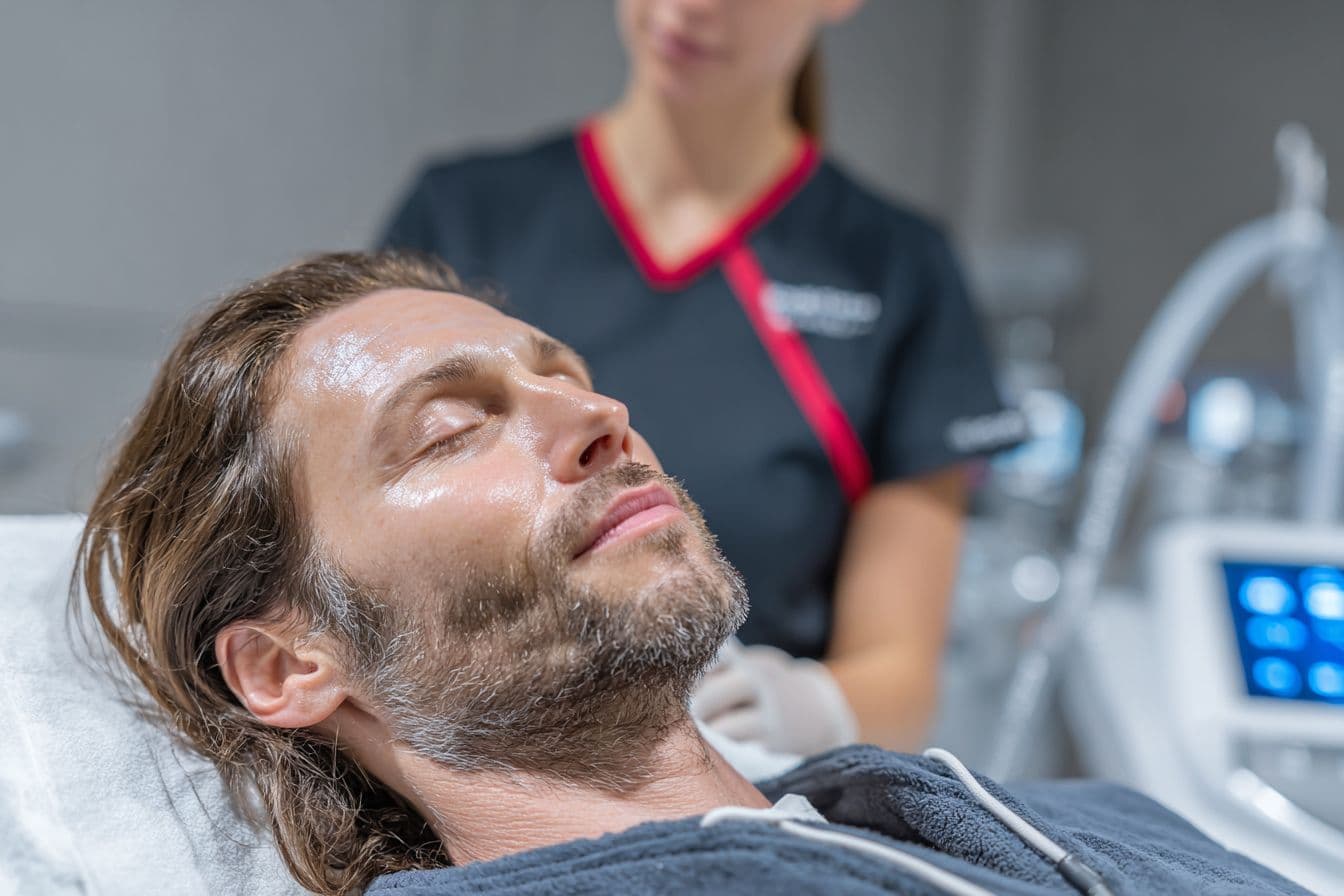
The ESWT machine uses an applicator similar to an ultrasound head. It delivers a pulse pattern we tailor to the area.
Focused and radial ESWT. Choosing the right depth
The type of shock wave matters more than most people expect.
- Radial shock wave spreads superficially
- Radial pressure wave suits broader tender zones
- Focused ESWT reaches deeper attachment sites
- Radial shockwave therapy can feel more diffuse
We select settings based on target depth, sensitivity, and pain tolerance. More force is not always better.
Sometimes the win is better movement confidence.
Mechanism of action. How ESWT supports tissue repair
People ask how this works. The body responds to mechanical stimulus, then adapts. In real cases, ESWT may stimulate local signaling, encourage new blood vessel growth, and change how pain is processed locally. Evidence discussed in Archives of Physical Medicine and Rehabilitation often frames ESWT within physical medicine and rehabilitation for stubborn musculoskeletal conditions. We keep expectations realistic. It may accelerate the healing in some cases, but the goal is to support the healing process, not to override it.
Local response. Circulation, remodeling, and new blood signals
The response is usually gradual, over days to weeks.
- Increased blood flow can support nutrient delivery
- Micro-stress may stimulate repair and remodeling
- New blood vessel growth may improve local resilience
- Some patients describe "new blood" warmth in the area
This is why the plan often includes spaced sessions. ESWT works with biology, not chasing instant pain relief.
Sensation and dosing. What you feel, what is normal
Most sessions feel like tapping or firm pressure. Tender points can be sharp for seconds.
- We ramp intensity to match pain tolerance
- Mild redness, soreness, or bruising can happen
- Some protocols use high-energy pulses, others lower
- We document response and adjust treatment protocols
A short flare can occur the next day. If pain escalates beyond expected, we reassess the diagnosis and load.
Progress often shows as better load tolerance.
Conditions we often see. When shockwave therapy fits
Often, overload drives the problem. Travel, desk work, and training all play a part. ESWT is often considered for tendinopathies, tendonitis patterns, plantar fasciitis, tennis elbow, and selected soft tissue injuries. This is tissue repair therapy dubai patients often ask about, aiming for musculoskeletal recovery dubai residents can keep up with. It may also support shockwave therapy for recovery dubai when an active person is stuck between rest and return to sport. In sports medicine, mechanics matter.
- Achilles tendinopathy, plantar fasciitis
- Shoulder and hip tendinopathy
- Tennis elbow and forearm overload
- Scarred soft tissue sensitivity after a sports injury
Some rehab literature explores ESWT to reduce spasticity in patients with neurological disorders, meaning spasticity in patients with neurological movement patterns. That is not our routine indication.
Who is a good candidate. And when we pause
This approach is most useful when pain links to a specific structure and the clinical exam supports a repair-focused approach. There are situations where we delay or avoid ESWT. Acute infection, certain bleeding risks, or an unclear diagnosis need a different pathway first. For many patients, therapy is a non-invasive: step between home care and injections or surgery. It is not ideal for nerve compression pain or widespread inflammatory flares.
- Localized, reproducible pain pattern
- Clear treatment area and goal
- Able to follow rehabilitation guidance
Your treatment journey at Seline Clinic Dubai
Seline Clinic Dubai treats ESWT as part of a pathway, not a stand-alone device session. We begin with history, movement assessment, and review of imaging when available. In routine practice, that is where the biggest clinical decisions happen. We also consider workload, training, and recovery capacity. People often search for shockwave therapy in dubai when time is tight. The plan still needs breathing room to let the area adapt.
Before and during your session. What actually happens
We map the target and explain what we are treating.
- Screening for contraindications and skin integrity
- Identify the structure target
- Positioning for consistent contact and accuracy
- Deliver ESWT in short sets, then recheck sensation
The device may feel similar to an ultrasound in shape, but it is delivering acoustic pressure waves. If needed, a physiotherapist supports positioning and cueing.
After the session. Recovery, activity, and follow-up
Most people return to work the same day. We guide activity with common sense.
- Relative rest for the treated area, not total rest
- Avoid heavy overload for 24 to 48 hours
- Continue prescribed physiotherapy and strengthening
- Review changes, then plan the next treatment option
Oddly enough, doing too much too soon is a common reason results stall. We prefer steady loading and honest feedback.
We recheck progress and adjust the plan.