Stem Cell Hair Regeneration
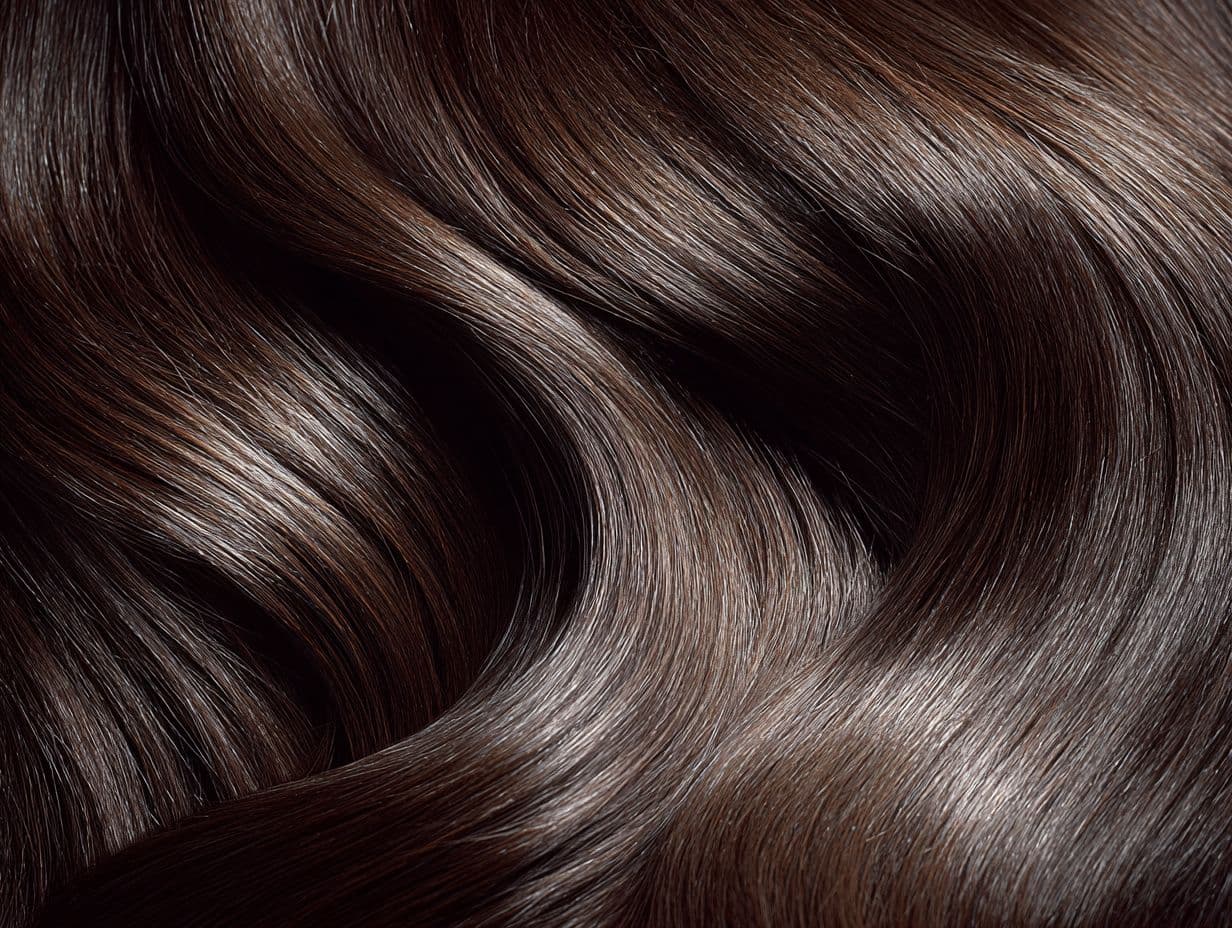
Hair loss rarely comes from one cause. Stress, hormones, nutrient gaps, scalp inflammation, or inherited pattern thinning can overlap. Stem cell enhanced hair regeneration may help support the hair follicle environment in selected cases, and results vary by patient.
At Seline Clinic Dubai, the approach stays medical and measured. We focus on the cause of hair loss first. Then we build a therapy plan that fits your scalp health and your type of hair loss.
- Hair loss in Dubai. Why hair thinning can feel sudden
- Stem cell enhanced hair regeneration. What stem cell therapies mean for hair
- Stem cells and hair follicle biology. How therapy may support hair growth
- Cause of hair loss and type of hair loss. Diagnosis changes outcomes
- Candidate for stem cell hair therapy. Ideal candidate for stem cell
- Treatment plan. What a stem cell treatment day can involve
- Hair restoration timeline. Regrowth and hair density tracking
- PRP for hair and other hair treatment combinations
- Hair transplant surgery and stem cell hair transplant. Setting expectations
- Risks and safety for stem cell hair treatment in the UAE
- What we offer for hair restoration
- Specialists Who Provide This Service
- Happy to welcome you at Seline
- Questions And Answers
Hair loss in Dubai. Why hair thinning can feel sudden
Dubai heat, sun exposure, saltwater, and frequent blow-drying can make existing hair look less dense. That can exaggerate hair thinning, even when the root cause is internal. Sometimes shedding spikes after travel or poor sleep. Telogen effluvium is a common pattern, and it often settles.
A clear assessment helps separate temporary shedding from hair loss progression, then the plan becomes calmer.
Stem cell enhanced hair regeneration. What stem cell therapies mean for hair
The phrase can be used loosely. In real cases, it describes approaches that aim to support regeneration signals around the hair follicle. It may involve autologous stem concepts, or other stem cell therapies for hair restoration, depending on the individual case and what is appropriate to offer.
This is not a guaranteed shortcut to new hair. It is a therapy option that may help stimulate hair follicles that are still present, and support healthier hair over time.
Stem cells and hair follicle biology. How therapy may support hair growth
Hair follicles cycle through growth and rest phases, including the anagen phase. When that phase shortens, regrowth slows and hair density drops. Stem cells for hair are discussed because they may support signaling near the dermal papilla and scalp microcirculation.
Hair follicle support and stimulate hair follicles
The goal is often support, not dramatic speed.
- Therapy may help stimulate hair follicles that are miniaturizing
- It may help activate dormant hair follicles in early-stage hair loss
- It can support hair growth conditions by reducing irritation triggers
When follicles are absent, therapy cannot recreate them like a transplant can.
Mesenchymal stem cell and autologous stem cell language
These terms are widely used, and they need precision.
- Mesenchymal stem cell discussions often focus on signaling and repair support
- Autologous stem cell means cells derived from the patient’s own tissue
- Benefits of stem cell therapy vary by method, processing, and indication
A realistic plan explains what is being used, and what the limits are.
Cause of hair loss and type of hair loss. Diagnosis changes outcomes
Different types of hair loss behave differently. Treating them the same wastes time. A careful diagnosis often includes medical history, scalp examination, and sometimes trichoscopy to check hair follicle patterns and follicular miniaturization.
Common patterns we see in Dubai include androgenetic alopecia, stress shedding, and patchy hair loss that behaves like alopecia areata. Each needs a different approach to hair restoration.
Candidate for stem cell hair therapy. Ideal candidate for stem cell
Not everyone with hair loss is a candidate for stem cell hair therapy. The best fit is often early to moderate hair loss, where follicles are still viable and hair thinning is present rather than complete loss.
- Candidate for stem cell options usually has visible thinning, not long-standing bald areas
- Ideal candidate for stem cell therapy for hair has a stable scalp without active infection
- Hair density can improve when existing hair responds and shafts thicken
There are situations where a different plan makes more sense, and that should be said clearly.
Treatment plan. What a stem cell treatment day can involve
A good treatment plan feels structured. It also feels calm. If stem cell injections are part of the plan, preparation and aftercare influence comfort and recovery.
Before stem cell treatment for hair loss
Small practical steps reduce irritation.
- Review medications and prior hair loss treatment history
- Avoid harsh scalp products and aggressive scratching
- Plan timing around heavy workouts and high heat exposure
After stem cell injections. Support hair and scalp settling
Most people return to normal activity quickly, but the scalp can feel tender.
- Mild swelling or soreness may occur for a short period
- Avoid intense heat and heavy sweating early on
- Report unusual pain, discharge, or spreading redness promptly
Aftercare supports healing, and it supports the therapy.
Hair restoration timeline. Regrowth and hair density tracking
Hair growth is slow. Many patients notice reduced shedding first. Visible regrowth follows later, and it may look uneven before it stabilizes. Hair quality changes can appear before obvious density change.
Tracking helps, because memory is unreliable.
- Standard photos under the same lighting
- Periodic review of hair density in key zones
If maintenance is needed, it should be part of the plan, not a surprise.
PRP for hair and other hair treatment combinations
One therapy rarely covers every driver. PRP therapy can be a useful option for some patients, and it is often discussed alongside stem cell hair approaches.
- PRP for hair may help stimulate hair follicles in selected cases
- Medical therapy may reduce progression in androgenetic alopecia
- Scalp inflammation control can improve comfort and response to therapy
Combination treatment options work best when they follow a clear diagnosis.
Hair transplant surgery and stem cell hair transplant. Setting expectations
Hair transplant surgery is different from cell therapy. A transplant moves follicles into areas where follicles are absent. Stem cell therapy for hair aims to support existing follicles and scalp biology. People blend these terms, and that creates confusion.
Stem cell hair transplant is often used as marketing language. A more accurate discussion is transplant planning plus supportive therapies, when appropriate.
If the extent of hair loss is advanced, transplant may be the better tool. If follicles remain, therapy may help support hair and slow loss.
Risks and safety for stem cell hair treatment in the UAE
Stem cell therapies require careful consent. Outcomes vary. Some patients see improvements in hair density, others see limited change. Risks depend on the method and can include bruising, infection, or flare of scalp irritation.
In the UAE, safe practice also means clarity on what is offered, how it is handled, and what evidence supports the claims. If the indication is not suitable, the plan should shift.
What we offer for hair restoration
The consultation aims to identify the type of hair loss, assess scalp health, and set realistic regrowth targets. In Jumeirah, the plan also accounts for heat exposure, styling habits, and travel.
When stem cell enhanced hair regeneration is appropriate, the plan prioritizes safety, consent, and measurable follow up. Combination therapy options can be added when they fit the biology.
Things to remember:
- Stem cells may support hair follicles, but outcomes vary by patient
- The type of hair loss shapes the best therapy choice
- Hair growth takes time, so regrowth needs tracking and patience
- Combination options, including PRP for hair, can be useful
- Consent and follow up protect long-term hair stability
If you want a structured plan for hair loss in Dubai, message Seline Clinic Dubai on WhatsApp, or call 800 888 882. The team will review your scalp, explain treatment options, and confirm whether stem cell enhanced hair regeneration fits your case and goals in Dubai.
Specialists Who Provide This Service
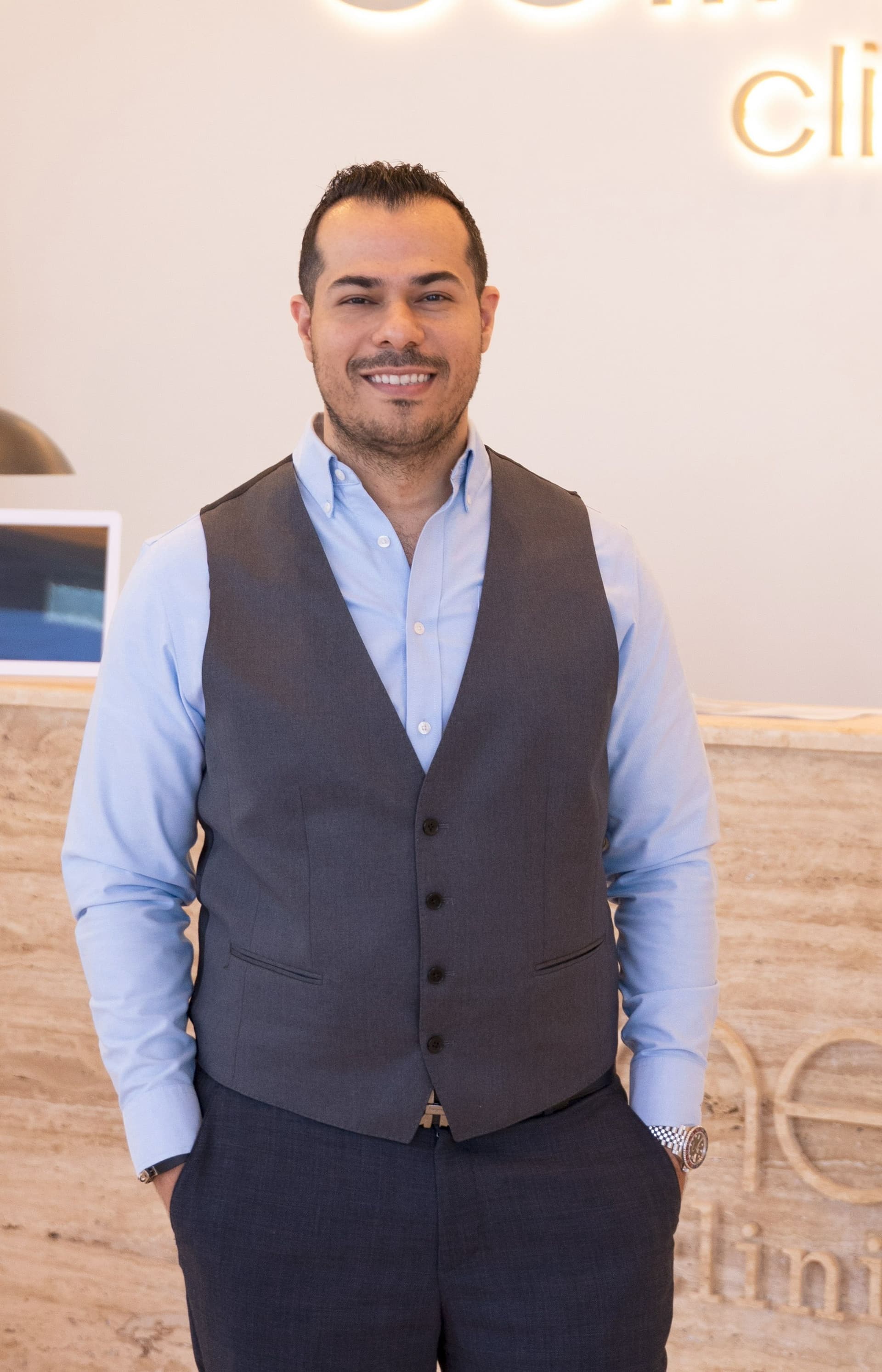
Dr. Mohammad Tayeh
Consultant Dermatology
MD, ABMS, MRCP-Dermatology
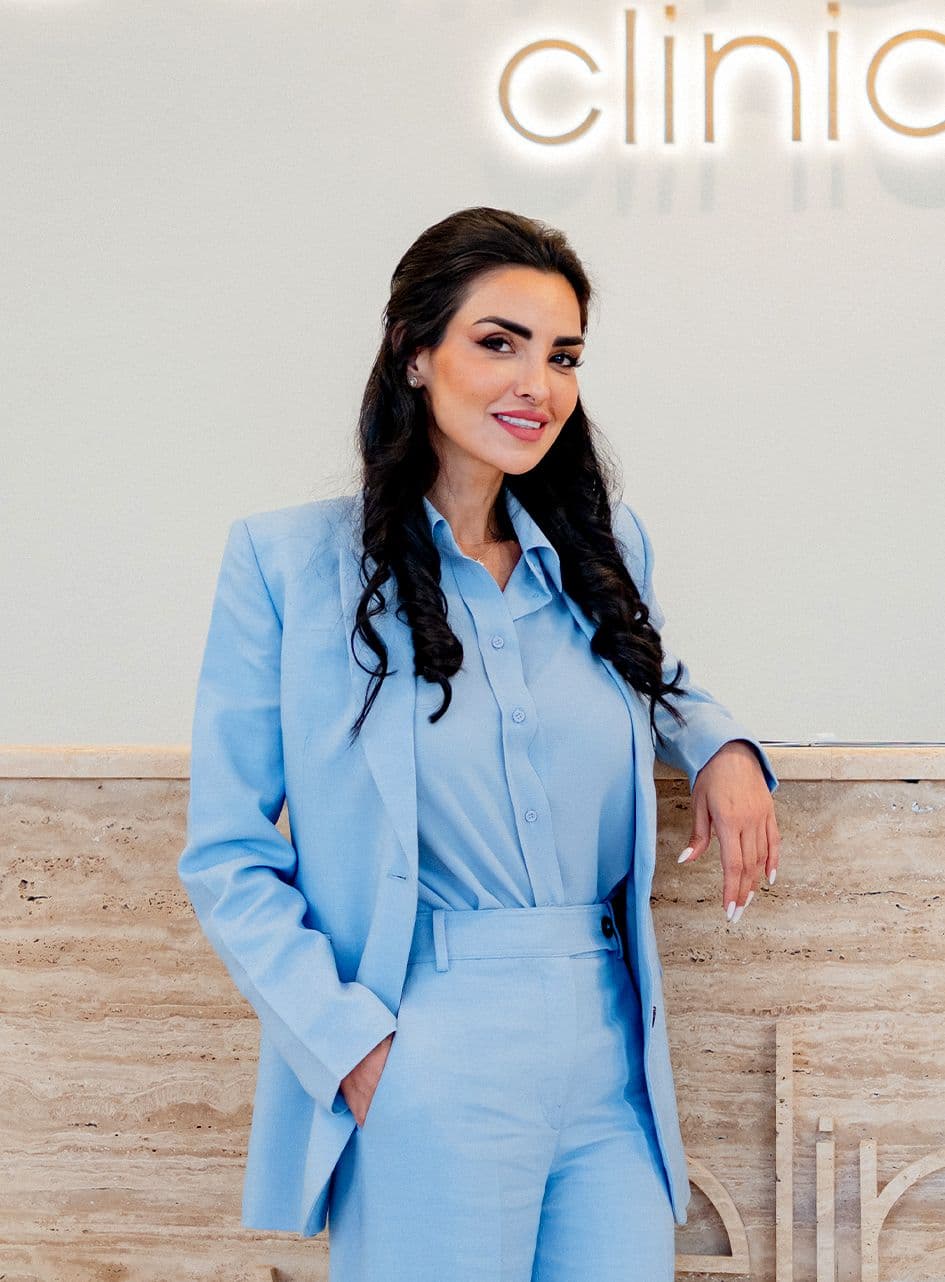
Dr. Ghazal Stone
Specialist Dermatology

Dr. Nivine Cheaito
Specialist Aesthetic and Family Medicine
MD

Dr. Lyana Kozhokova
Specialist Dermatology
MD
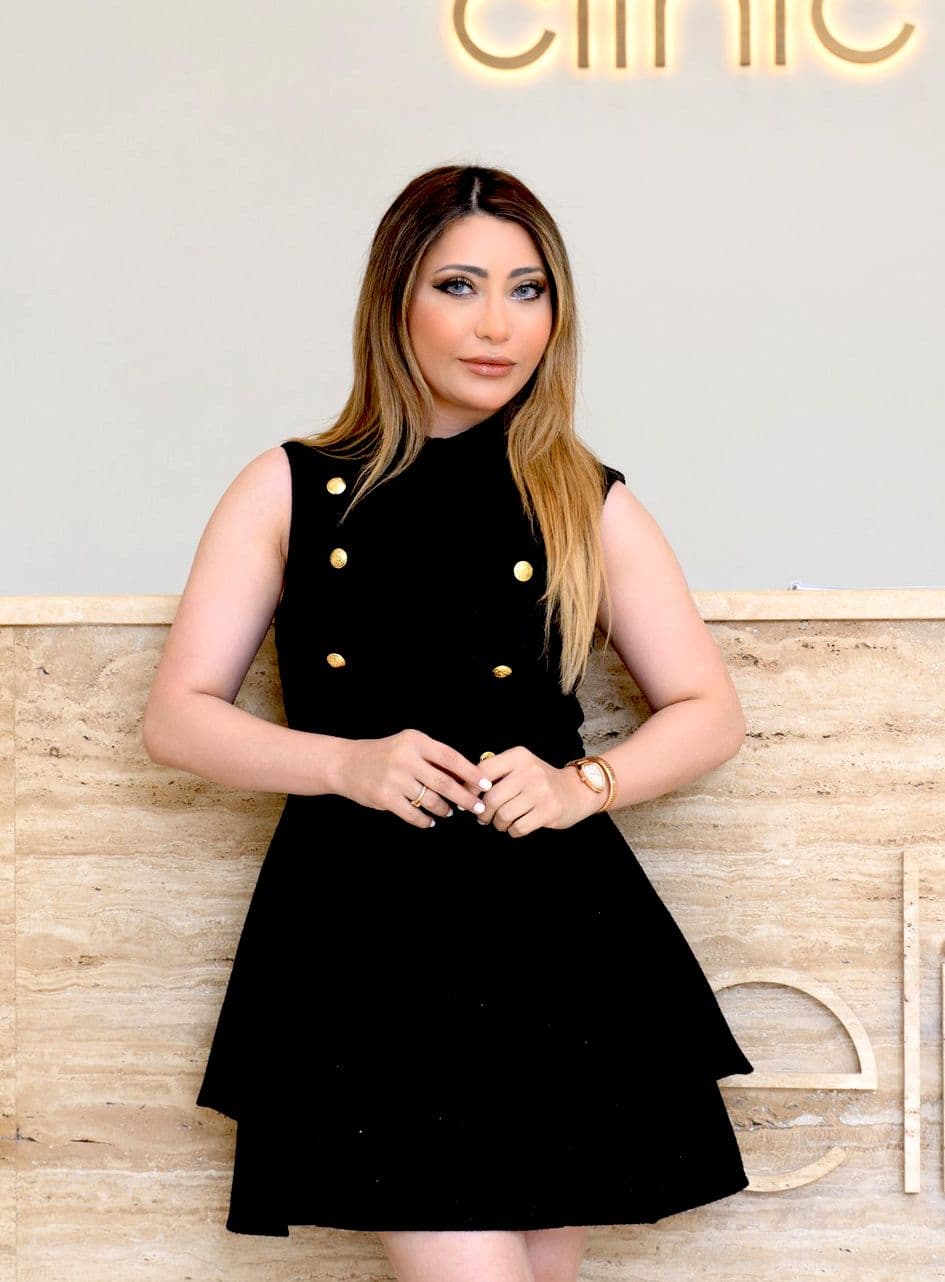
Dr. Rasha Ibrahim
Specialist Dermatology
PhD
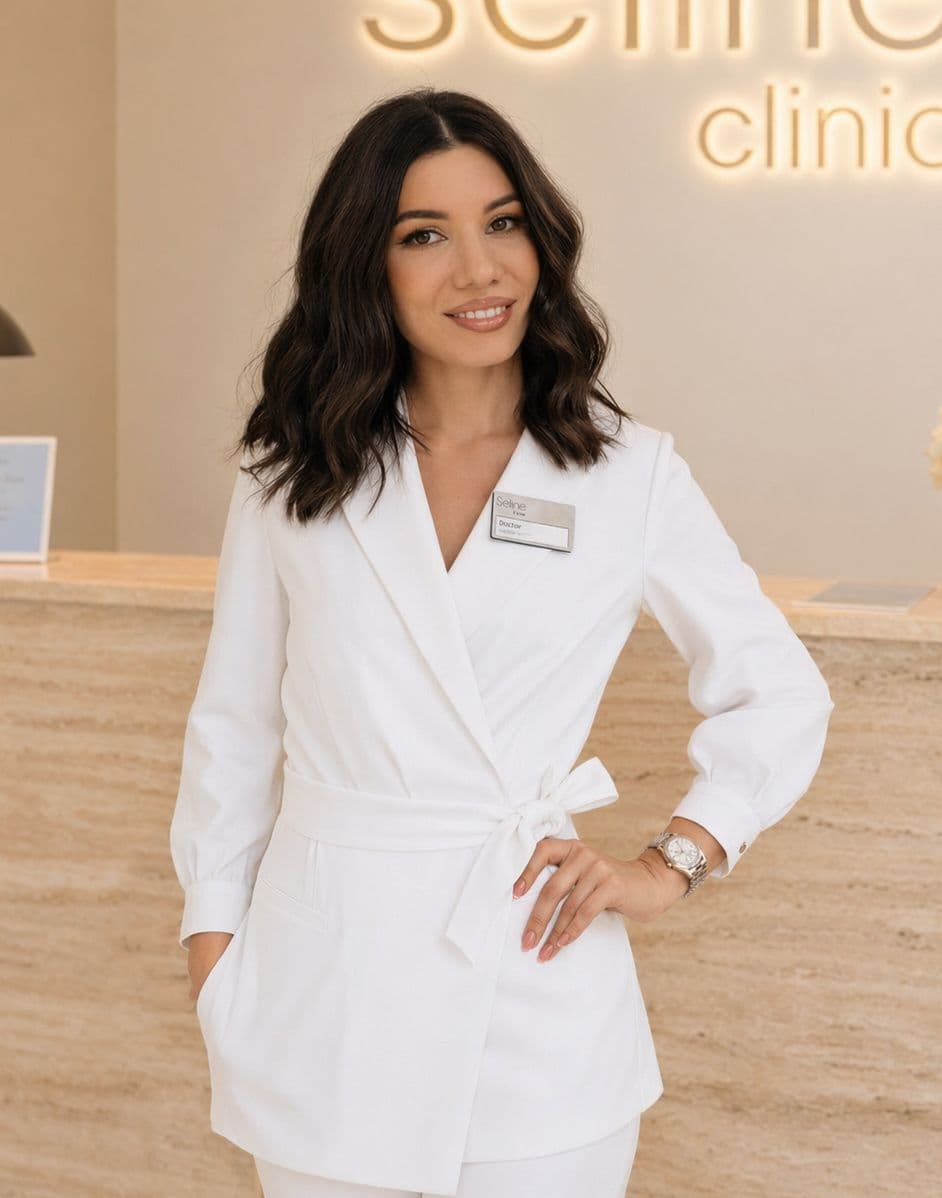
Dr. Elena Zhalovskaia
GP Aesthetic Physician
GP
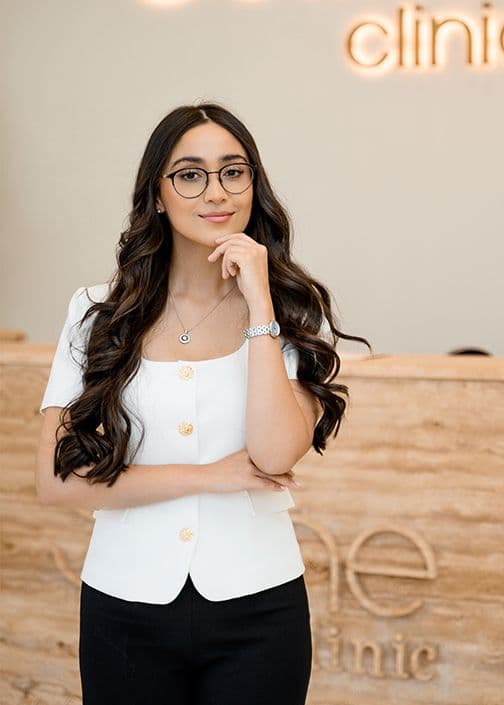
Dr. Alejandra Beltrán
GP Aesthetic Physician
MD
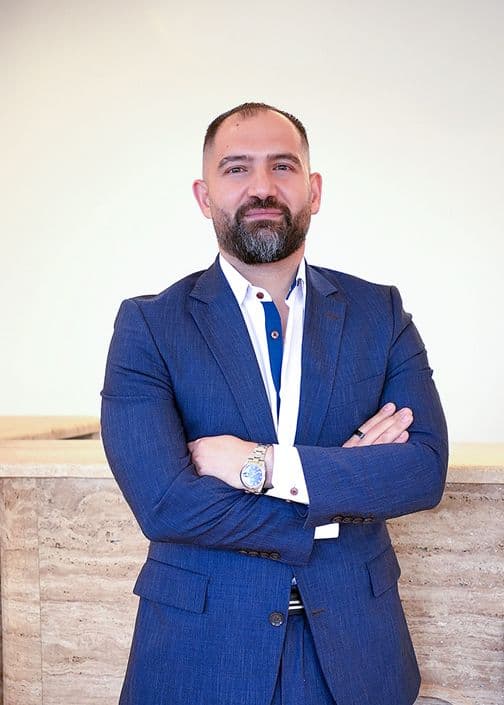
Dr. Wajdi Albonji
Internal Medicine Specialist and Head of the Longevity and Functional Medicine Department
MD
Happy to welcome you at Seline