Stem Cell IV Therapy

Stem Cell IV Therapy is a focused topic for adults exploring stem cells within a structured recovery and longevity pathway, when lifestyle foundations are already in place.
At Seline Clinic Dubai, we use a diagnostics-first, doctor-supervised approach in Jumeirah, with clear consent, clinical governance, and realistic expectations within the UAE.
- What Stem Cell IV Therapy means in clinical practice
- Why people explore stem cell therapies for systemic recovery
- Candidate selection, who may benefit, and who should wait
- Consultation and eligibility review
- Stem cells, exosomes, and vitamin IV options are not the same
- Roadmap from evaluation to follow up
- Safety standards and clinical oversight
- Autologous and allogeneic terminology, and what it means clinically
- What to expect after treatment
- Cost and planning
- Why choose Seline Clinic
- Specialists Who Provide This Service
- Happy to welcome you at Seline
- Questions And Answers
What Stem Cell IV Therapy means in clinical practice
Stem cell IV therapy refers to a cell-based protocol delivered through a supervised IV line, aiming for systemic exposure rather than a single local injection.
In our setting, IV therapy involves eligibility screening, protocol clarity, and monitoring before discharge.
Stem cells are defined by self-renewal and the ability, in specific contexts, to differentiate into certain cell types. The clinical relevance depends on the cell type used, indication, and regulatory pathway. This does not imply guaranteed outcomes.
Where a protocol is considered, it is delivered as an intravenous infusion of stem cells into the bloodstream with observation throughout.
Why people explore stem cell therapies for systemic recovery
In clinical practice, people asking about stem cell therapies are usually looking for a higher level, supervised pathway.
Common themes include:
- Lower recovery capacity despite consistent effort
- Fatigue patterns after basic medical review
- Mobility goals within rehabilitation planning
- Longevity planning with checkpoints for overall health
These themes guide consultation.
They are not promises of therapy results.
Candidate selection, who may benefit, and who should wait
This therapy is generally considered for adults who value oversight and accept that response varies.
Online sources list a wide range of conditions, but we do not apply one protocol across various health conditions without clear rationale.
This pathway may be considered when:
- Screening and documentation are welcomed
- Risk factors are low, or specialist clearance is available
- The goal is framed as repair and regeneration support
It may be smarter to wait when:
- There is active infection or acute illness
- Chronic disease is not stable
- A history needs oncology, hematology, or immunology input
- Pregnancy or breastfeeding is present, unless explicitly cleared
Consultation and eligibility review
We review medical history, medications, supplements, allergies, and prior investigations, then connect these to your goals.
Sometimes we recommend targeted diagnostics to improve safety or define a baseline.
If a stem cell treatment is not appropriate now, we outline alternatives and a stepwise plan that prioritizes stability first.
Stem cells, exosomes, and vitamin IV options are not the same
These terms get grouped together online, but they represent different approaches.
Choosing between them depends on indication, risk, and governance standards.
Stem Cell IV Therapy
This approach uses living cells within a regulated medical framework when clinically indicated.
It is discussed as an advanced regenerative treatment, not a wellness accessory.
- Requires eligibility review, consent, and baseline documentation
- Uses supervised administration and post-infusion observation
- Is explored for selected candidates within a physician guided plan where the intended objective and monitoring endpoints are defined.
We also explain limits, risks, and what we will and will not track.
Exosome IV therapy
Exosomes are cell-derived vesicles that carry signaling molecules, including growth factors, rather than living stem cells.
They may be discussed for selected candidates under medical oversight.
- Uses signaling concepts rather than living-cell delivery
- Requires caution around sourcing, sterility, and suitability
- Should never be presented as a guaranteed anti-aging shortcut
If an exosome pathway is considered, we explain how evidence and governance differ.
Vitamin IV drips
Vitamin and hydration drips can support replenishment, but they are not comparable to cell-based therapy.
They still require basic safety checks and a clear indication.
- Often focused on hydration, electrolytes, and nutrient support
- Can be useful after travel or reduced oral intake
- Does not aim to regenerate tissue or repair damaged tissues
If overall well-being is the goal, a simpler IV option may be more appropriate.
Roadmap from evaluation to follow up
A stepwise pathway reduces avoidable risk.
At Seline Clinic, our treatment approach centers on suitability, documentation, and monitored delivery.
Typical steps include:
- Consultation, history review, and goal definition
- Targeted diagnostics when they change decisions safely
- Suitability decision, consent, and a written treatment plan
- Supervised administration with discharge guidance
- Follow up when monitoring adds clinical value
Sometimes the best next step is not an IV protocol.
It is correcting sleep, iron status, metabolic drivers, or recovery load first.
Safety standards and clinical oversight
For cell-based protocols, safety depends on governance.
We focus on sterile handling, sourcing documentation where applicable, and readiness to manage adverse reactions.
We follow strict clinical governance for sterile handling, monitoring, escalation readiness, and patient communication.
Baseline documentation keeps decisions grounded in facts.
Autologous and allogeneic terminology, and what it means clinically
Patients often ask about autologous stem versus donor sources.
Autologous refers to cells sourced from the same individual, while allogeneic stem refers to donor-derived material.
Depending on the intended protocol and applicable pathways, discussion may include adult stem sources such as mesenchymal stem cells, sometimes derived from bone marrow.
When autologous stem cell therapy is considered, we explain added screening and timing.
Not all approaches are available in every setting.
We align options with clinical indication, ethics, and regulatory requirements.
What to expect after treatment
We set expectations around tracking, not hype.
Response is evaluated through symptom patterns, physical function, and objective markers when relevant.
Some people report improved energy levels or increased energy over time, while others notice little change.
Some patients ask about skin quality as part of overall health. We do not position IV cell-based therapy as a cosmetic treatment or a guaranteed anti-aging solution. Our goal is to promote healing support in a medically responsible way.
When we review therapy results, we prioritize safety, recovery capacity, and day-to-day function.
Cost and planning
Cost varies based on screening needs, monitoring time, and what baseline work is required.
A consultation is where we define scope and expectations for treatment in Dubai, without fixed pricing.
Why choose Seline Clinic
In advanced care, the value is the structure around the protocol.
Our clinic offers personalized care with clear communication, careful selection, and follow-through.
We prioritize suitability, consent, supervised delivery, and coordination with specialists when clearance is needed.
Specialists Who Provide This Service
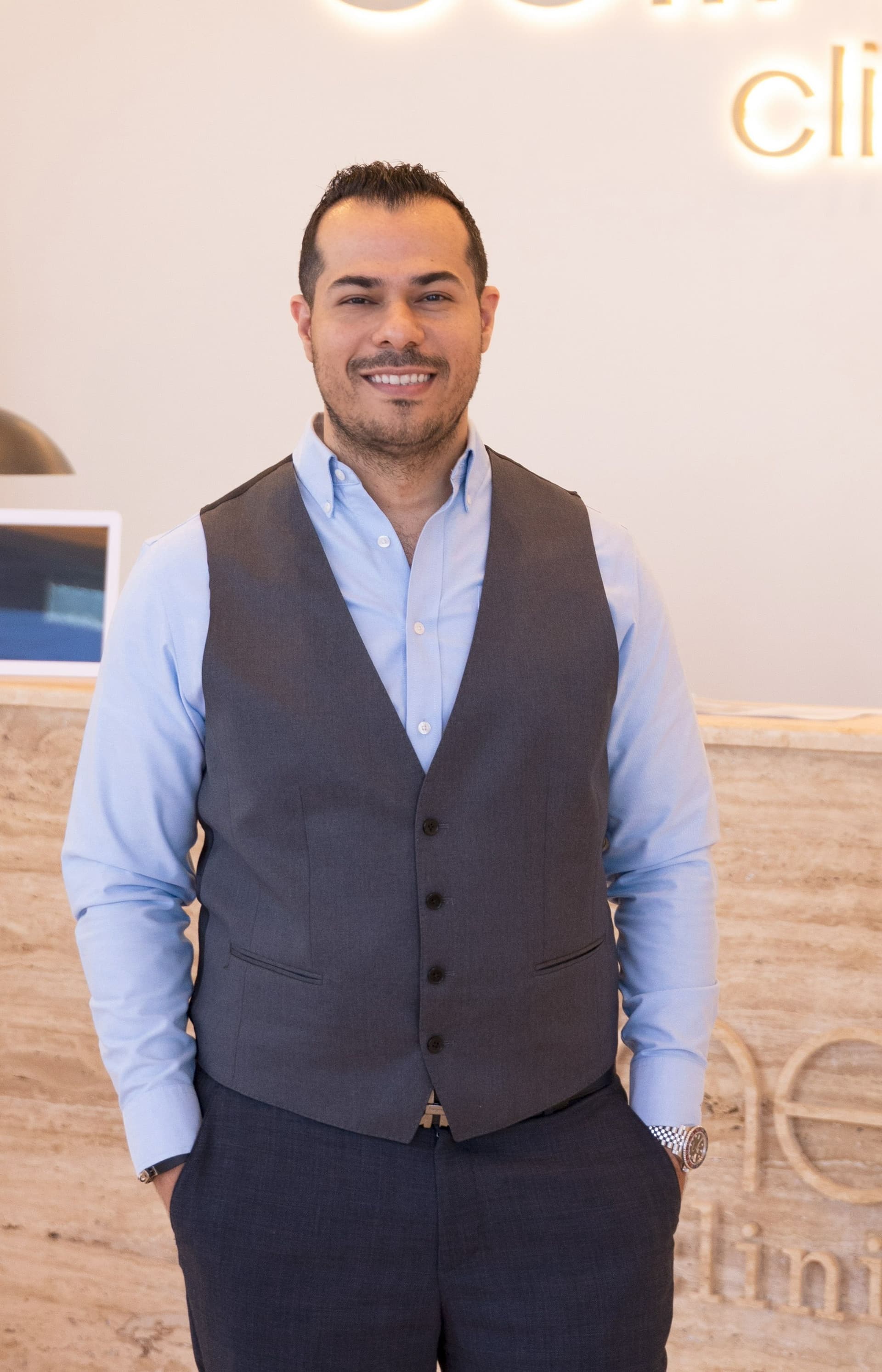
Dr. Mohammad Tayeh
Consultant Dermatology
MD, ABMS, MRCP-Dermatology

Dr. Ghazal Stone
Specialist Dermatology

Dr. Rasha Ibrahim
Specialist Dermatology
PhD

Dr. Elena Zhalovskaia
GP Aesthetic Physician
GP
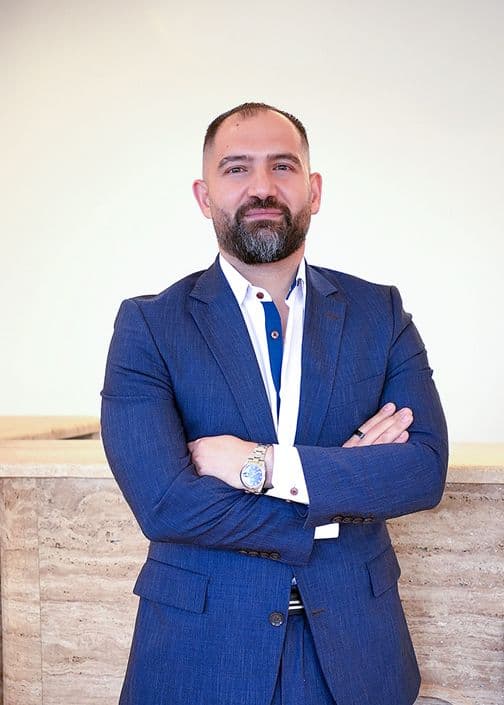
Dr. Wajdi Albonji
Internal Medicine Specialist and Head of the Longevity and Functional Medicine Department
MD
Happy to welcome you at Seline