CoolSculpting vs Emsculpt NEO: Fat Reduction or Muscle Building?
October 11, 2026

October 11, 2026
The first day after eyelid surgery is rarely a good time to judge the result. Swelling, bruising and tightness around the eyes are expected early on, and your eyelids may look uneven or more open than usual while the tissues begin to settle.
The first day after eyelid surgery is rarely a good time to judge the result. Swelling, bruising and tightness around the eyes are expected early on, and your eyelids may look uneven or more open than usual while the tissues begin to settle.
For many patients, the most noticeable bruising and swelling improve over the first 10 to 14 days. If non-dissolvable stitches are used, they are often removed within about a week. Many people feel comfortable returning to work and normal social activities within one to two weeks, although mild puffiness, incision redness and subtle swelling can continue for several weeks or months.
Recovery also depends on what was actually done. Upper eyelid surgery, lower eyelid surgery and combined blepharoplasty do not always follow the same healing timeline.
At Seline Clinic in Jumeirah, Dubai, aftercare is tailored to the eyelids treated, the surgical technique and how each patient is healing.
The recovery process becomes easier to understand when you know what typically happens at each stage, which aftercare steps genuinely help, and which symptoms deserve a call to your surgeon.
These timings are a general reference rather than a fixed schedule. Recovery varies from person to person, and your surgeon may adjust the timeline depending on the procedure performed and how your eyelids are healing.
Upper eyelid surgery alone often involves less downtime than having the upper and lower eyelids treated together. Your surgeon will give you a recovery plan tailored to your surgery and progress.
The details vary from patient to patient, but these seven habits can make recovery easier and help protect the healing eyelids:
Days one to three are usually when swelling and bruising are most noticeable. Your eyelids may feel tight, and your eyes may water or feel dry and gritty at times. Ointment can also make your vision temporarily blurry. For many patients, this stage feels more uncomfortable than painful.
A few simple measures can make these first days easier:
Your first follow-up is often around the one-week mark. If non-dissolvable stitches were used, this is usually when your surgeon checks whether they are ready to be removed.
After upper eyelid surgery, the incision is typically placed within the natural eyelid crease. With an external lower eyelid approach, the incision usually sits just below the lash line.
If your lower blepharoplasty was performed through a transconjunctival approach, the incision is made inside the eyelid, so there is no external skin scar from that incision.
Once the stitches are removed, the eyelids can feel less tight or restricted, although some swelling and tenderness may still be present.
By around two weeks, bruising is often much less noticeable. Light make-up may help cover any remaining discolouration once your surgeon says it is safe to use. Many patients are also comfortable returning to work and normal social activities by this stage.
A few things still need some patience:
By this stage, most of the early swelling has settled and the eyelids look more natural. Scars gradually soften and fade, with upper eyelid scars usually well concealed within the natural crease.
The skin may look healed before the deeper tissues have fully settled, so subtle swelling and scar changes can continue for several months.
The type of eyelid surgery you have can change both the early recovery and how long the tissues take to settle.
Worth knowing before you book: what looks like heavy upper eyelids can sometimes be influenced by brow position, while under-eye hollows may also relate to changes in the cheek and midface.
That is why a proper assessment looks beyond the eyelids alone. Your surgeon may examine the brows, upper and lower lids, and surrounding facial structures before recommending the right approach.
A transconjunctival approach is often considered when the main concern is lower-eyelid fat without significant excess skin. Because the incision is made inside the eyelid, there is no external skin scar from that incision.
A skin-incision approach may be more appropriate when excess skin or lower-lid laxity also needs to be addressed. Recovery depends on the extent of surgery, and swelling and bruising can occur with either technique.
Blepharoplasty can remove excess eyelid skin, reposition or reduce fat that contributes to under-eye bags, and, in selected cases, improve lower-lid laxity.
What it does not do is just as important. Eyelid surgery will not lift a low brow, and it does not directly treat crow's feet or dark circles caused mainly by pigmentation. If those concerns are part of the picture, your surgeon may recommend a different or combined approach.
Recovery in Dubai comes with a few practical considerations, especially sun exposure, heat and dry indoor air.
During the first days after blepharoplasty, it is normal to experience swelling, bruising, mild tightness, watering, dryness or temporary blurred vision. These symptoms usually improve gradually as the eyelids heal.
Your surgeon will explain what to expect based on whether you have upper eyelid surgery, lower eyelid surgery or both, as well as the technique used.
As with any surgical procedure, there are possible risks, but serious complications are uncommon. These may include infection, delayed healing, noticeable asymmetry, changes in eyelid position or the need for additional treatment.
Smoking and nicotine can interfere with healing, while certain medications and supplements may increase the risk of bleeding. Your surgeon will review these with you before surgery. Do not stop prescribed medication unless your doctor advises you to do so.
Contact your surgical team if:
Very rarely, sudden significant changes in vision or severe pain around the eye require urgent medical assessment. Your surgical team will explain these warning signs before you leave the surgical facility.
The cost depends on the extent of surgery, whether the upper eyelids, lower eyelids or both are treated, the surgical technique, and whether another procedure such as canthopexy or a midface lift is included. Anaesthesia and facility requirements can also affect the overall cost.
At Seline Clinic, blepharoplasty starts from AED 15,000.
Prices are indicative and may vary. Your final treatment plan and quotation are confirmed after consultation and medical assessment.
If you are travelling to Dubai for blepharoplasty, plan enough time for your initial recovery and first follow-up before leaving. Depending on the type of stitches used, your surgeon may also want to review or remove them before you travel.
Healthcare professionals practising in DHA-licensed facilities in Dubai are subject to local registration and licensing requirements.
If you are coming from elsewhere in the UAE, the GCC or overseas, discuss your travel dates with your surgeon in advance so your surgery, follow-up appointments and return journey can be planned safely.
Seline Clinic is a multidisciplinary aesthetic, plastic surgery and wellness clinic in Jumeirah, Dubai. Blepharoplasty is performed by an international team of plastic surgeons with experience in facial and eyelid procedures, allowing treatment plans to be tailored to the patient's anatomy, concerns and surgical goals.
Surgical procedures take place in accredited surgical facilities. Consultation and follow-up care, including stitch removal when required, are provided at Seline Clinic on Jumeirah Street.
Blepharoplasty recovery is usually more uncomfortable than painful. Tightness, grittiness and a dull ache are common during the first few days, while sharp or worsening pain is less typical. Simple pain relief is often enough, but increasing pain should be reported to your surgeon.
Most noticeable swelling improves during the first one to two weeks, but mild puffiness can last longer. Lower eyelids often take more time to settle, and subtle swelling may continue for several weeks or months.
Many patients can use screens for short periods within the first few days if it feels comfortable. Screens reduce blinking and can make dryness or irritation worse, so take regular breaks and use lubricating eye drops if recommended by your surgeon.
Make-up should wait until the incisions have closed and your surgeon says it is safe to restart. If external stitches were used, this is often after they have been removed. Use clean brushes and fresh or well-cleaned products around the eyes.
Do not drive until your vision is clear, you are no longer taking medication that could affect alertness, and you feel comfortable moving your eyes and head normally. Your surgeon can confirm when it is safe based on your recovery.
Sleeping on your back with your head elevated is usually preferred during the early recovery period because it can help limit swelling and avoid pressure on the healing eyelids. Ask your surgeon when you can comfortably return to side sleeping.
Bruising and swelling can make surgery noticeable during the first one to two weeks. As these settle, the change usually becomes much less obvious. Upper eyelid scars are generally positioned within the natural crease, while a transconjunctival lower blepharoplasty leaves no external skin incision.
Yes. Blepharoplasty can sometimes be combined with a brow lift, facelift or other facial procedures when more than one area is contributing to the concern. Combining procedures may increase the extent of surgery and recovery, so the plan should be based on your anatomy, health and goals.
Most of the visible bruising and swelling improves over the first couple of weeks, but the eyelids continue to settle for much longer. Protect the area, follow your surgeon's aftercare instructions and give the scars and deeper tissues time to mature.
To arrange a private consultation, call +971 800 735463 or contact Seline Clinic on WhatsApp. The clinic is located at 623 Jumeirah Street, Umm Suqeim 1, Dubai.
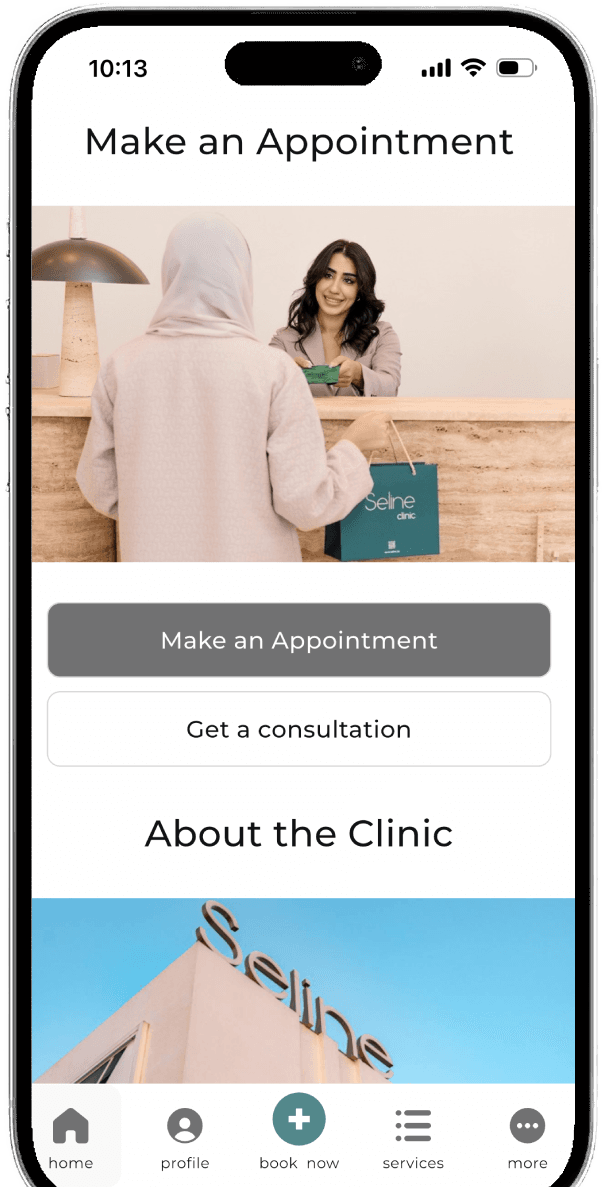
 Scan the QR to download the app