The Most Common Approach to Abdominoplasty
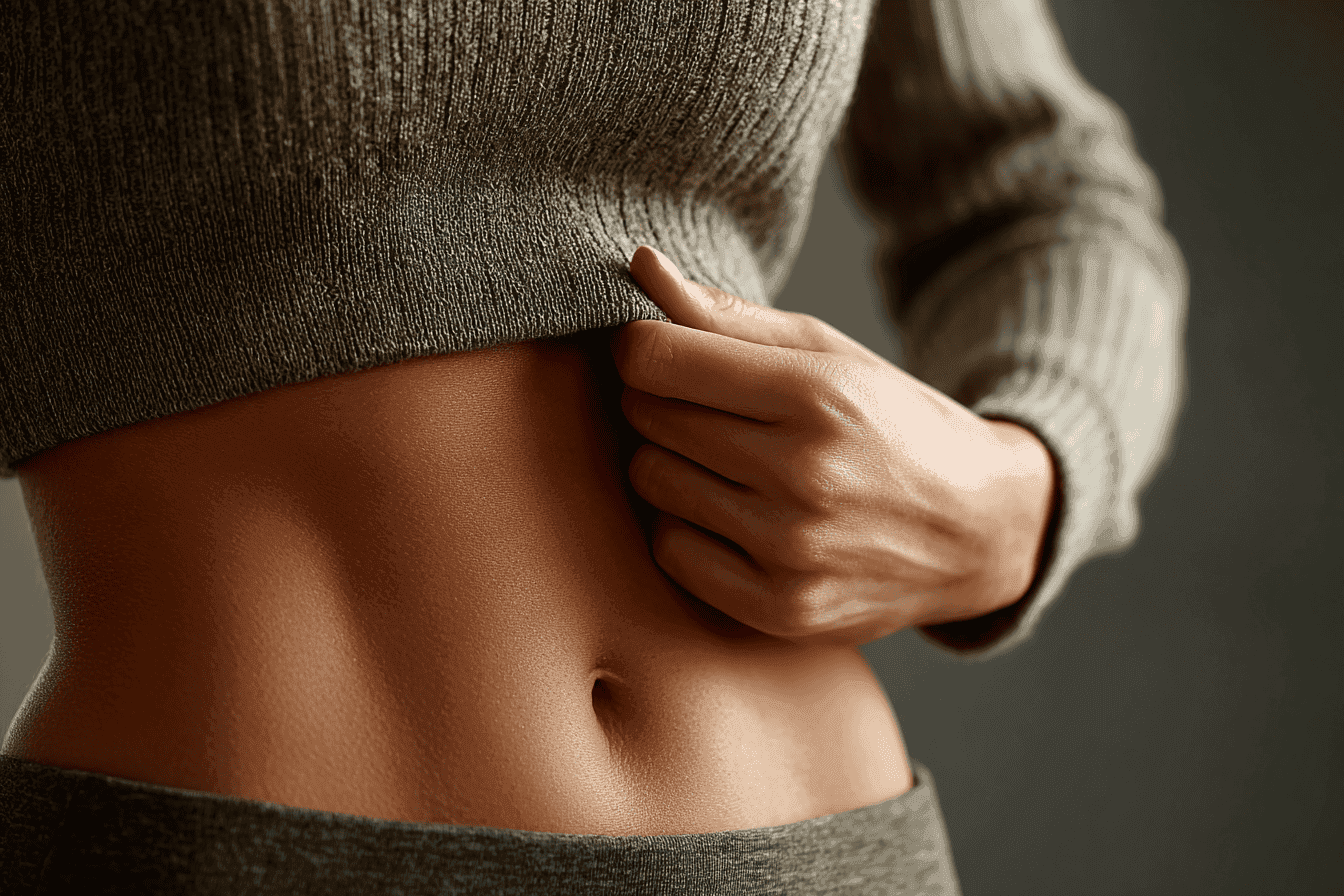
Full abdominoplasty represents the standard approach for comprehensive abdominal correction. The surgeon creates a horizontal incision extending from hip to hip, positioned low enough for underwear and swimwear concealment. A second incision surrounds the belly button, allowing for its repositioning after skin removal.
This comprehensive approach to abdominal contouring addresses both upper and lower abdominal concerns simultaneously. The surgeon lifts skin and fat away from the abdominal wall, providing complete access to the underlying muscle structure. Excess skin stretching from the ribcage to the pubic area receives correction, and the belly button repositions to maintain natural appearance.
The procedure typically requires three to five hours under general anaesthesia. Surgical drains may temporarily remain in place to prevent fluid accumulation during initial healing. Most surgeons combine the procedure with targeted liposuction to refine waist contours and enhance overall results.
Addressing Diastasis Recti (Separated Abdominal Muscles)
Diastasis recti—the separated abdominal muscles following pregnancy—affects a significant portion of women who have given birth. The condition occurs when pregnancy stretches the linea alba (connective tissue joining the left and right rectus abdominis muscles), creating a gap that persists after delivery.
This separation compromises core strength and creates a protruding appearance even in women at healthy body weight. Standard exercise cannot close significant diastasis recti, as the overstretched connective tissue lacks the structural integrity to pull muscles back together without surgical intervention.
During full abdominoplasty, the surgeon performs muscle plication—suturing the separated muscles together along the midline. This repair reduces abdominal girth, restores functional core strength, and creates the foundation for a flatter abdominal profile. The correction extends from the upper abdomen near the ribcage down to the pubic area.
Functional benefits beyond aesthetics include improved posture, reduced lower back pain, and enhanced core stability. Many patients report better exercise performance and reduced discomfort during daily activities following muscle repair. The restored abdominal wall better supports internal organs and spinal alignment.
Ideal Candidates for Full Abdominoplasty
Full abdominoplasty suits patients with excess skin and fat extending both above and below the belly button. Significant muscle separation—particularly common following multiple pregnancies or twin/triplet births—typically requires full correction for optimal results.
Those seeking dramatic, comprehensive transformation benefit most from this approach. The procedure addresses multiple concerns simultaneously: removing substantial excess skin, tightening stretched muscles throughout the abdominal wall, and creating defined waist contours. Patients willing to accept longer recovery in exchange for maximal improvement find full abdominoplasty worthwhile.
The procedure often forms part of a mommy makeover, combining abdominal correction with breast enhancement procedures often combined in mommy makeover approaches. This comprehensive body contouring addresses multiple post-pregnancy changes in a single surgical session, reducing overall recovery time compared to staged procedures.
What to Expect: Recovery and Results
Full abdominoplasty requires more extensive recovery than mini procedures. Most patients need two to three weeks before returning to non-strenuous work, though individual healing varies. Strenuous exercise, heavy lifting, and intense abdominal engagement remain restricted for six to eight weeks post-surgery.
According to recovery timelines for different abdominoplasty approaches, full recovery occurs at six-plus weeks, with final results visible after two to three months as residual swelling resolves. Progressive improvement continues for several months as tissues settle into their new contours and scars mature.
Initial post-operative swelling may obscure results temporarily. Compression garments worn during early recovery support healing tissues and help reduce swelling. Following your surgeon's post-operative protocols—including movement restrictions, wound care, and gradual activity resumption—proves essential for optimal outcomes.
Long-term maintenance requires stable weight and healthy lifestyle habits. While abdominoplasty creates lasting improvement, natural ageing processes continue. Maintaining results involves protecting skin from excessive sun exposure, staying hydrated, and avoiding significant weight fluctuations.